
Boys Grammar – A Harrowing Short Film
 Boys Grammar is a short film that lingers with you long after the screen fades. Directed by Dean Francis and written by Rozlyn Clayton-Vincent, the 2005 award-winning piece pulls no punches in its portrayal of bullying, toxic masculinity, and the silence of institutions that should protect the vulnerable.
The story follows Gareth – or Gary – a student at a prestigious boys’ school. When a magazine with nude male images is found in his possession, he insists it is for art, saying simply, “I like the human form.” But his classmates seize on it as proof of something else, and in moments he is branded a “faggot” and subjected to escalating abuse. What begins with taunts quickly spirals into physical and sexual assault, shot with such raw intensity that it feels less like schoolyard cruelty and more like a descent into horror.
The film’s most chilling turn comes afterwards, not in the violence itself but in its aftermath. Gareth comes home late to a family dinner, only to discover one of his tormentors – Nick – sitting comfortably at the table as a guest. Gareth, still shaken and desperate to leave school, finds no comfort in his father. Mr. Jaeger dismisses his son’s pleas, insisting that these ordeals are part of growing up – “a rite of passage” that will harden him into a man.
The dinner scene is unbearable to watch for its quiet betrayal. While Gareth sits in silence, his father and his abuser bond over the philosophy that “what doesn’t kill you makes you stronger.” The cruelty is not in the words themselves, but in their weight: Gareth’s pain is ignored, his voice erased, while his abuser is validated. When his father offers him a cigar as a token of manhood, it becomes clear that violence has not only been excused but sanctified, passed down as tradition.
Boys Grammar is not an easy film to watch. Its power lies in exposing how cruelty is normalised – at school, at home, in the very structures meant to nurture. The violence in the playground is shocking, but the quiet violence at the dinner table cuts even deeper. It shows how cycles of abuse are sustained, not just by the perpetrators, but by the fathers, teachers, and authority figures who look away or even nod in approval.
This is a film that unsettles because it is so plausible, so close to reality. It reminds us that the harshest lessons are not always taught in classrooms, but in homes where empathy is replaced with a rigid, destructive code of masculinity.


Links:
- Boys Grammar (2005) Short Drama Award Winning Short Film
- IMDB – Boys Grammar
- An Instant (Une Instante) – Movie Review
 Adrià Guxens’ short film An Instant captures the fleeting power of a single encounter to reshape lives. It is a tender, finely crafted work that lingers in memory long after its brief runtime.
 in 2017, and went on to screen at prestigious festivals including Reeling in Chicago, Outshine in Miami, Kashish in Mumbai, and Barcelona’s International LGBT Film Festival, among many others.
 Joseph Cates’ Who Killed Teddy Bear? (1965) is one of those films that refuses to sit neatly within a single category. Part noir, part exploitation, part art-film experiment, it mixes high-style melodrama in the manner of Sirk with Hitchcockian unease, while foreshadowing the urban paranoia of Taxi Driver. At just under two hours, it’s a smutty, disjointed, but undeniably fascinating window into 1960s New York, filmed on location in Times Square and 42nd Street back when both still throbbed with seediness. Its black-and-white photography is as moody as it is haunting, a visual diary of a city on the cusp of cultural breakdown.


 Rod Stewart’s poignant ballad, “The Killing of Georgie,” provides a unique and powerful narrative that, drawing from the provided transcript, offers a groundbreaking portrayal of a non-straight individual and the challenges faced within society during a period of “changing ways” and “so-called liberated days”. The song traces the life and tragic death of Georgie, presenting a deeply personal story that was remarkable for the popular music of its era.
 Book banning or Book Bans — a practice as old as the printed word — is making a troubling return in the UK. What was once thought of as a relic of history is back in the headlines, with queer literature often finding itself at the centre of the storm. The question is no longer “Could it happen here?” but “Why is it happening again?”
 On Saturday, July 26th, Belfast held its Pride March, with noticeably a lot of political parties and politicians missing, also a lot of employers, but there was still a large turnout, which you can see from the photos in this article.
 Public visibility remains a vital act of defiance. Each year, as the city’s streets fill with colour and music, they also fill with stories — stories that challenge ignorance, dismantle prejudice, and foster understanding. Visibility is revolutionary in a city where silence once reigned, transforming the parade into a living, breathing testament to the power of being seen.
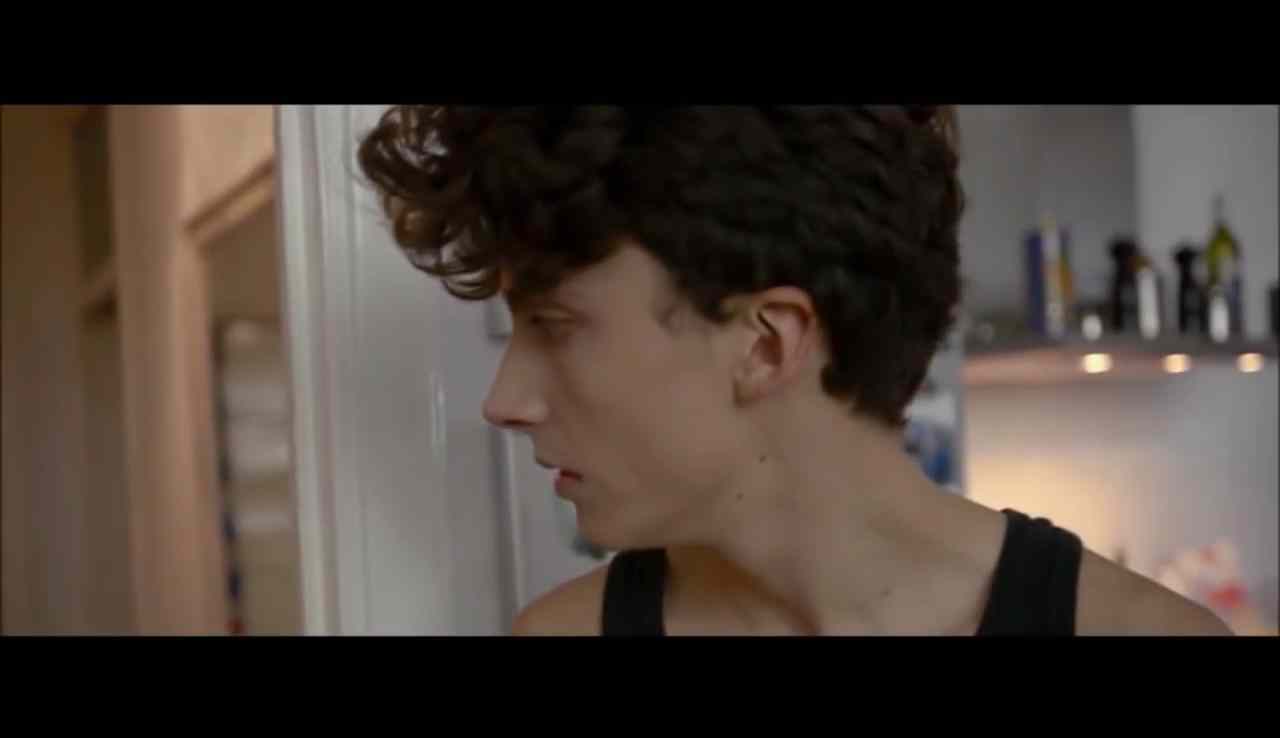
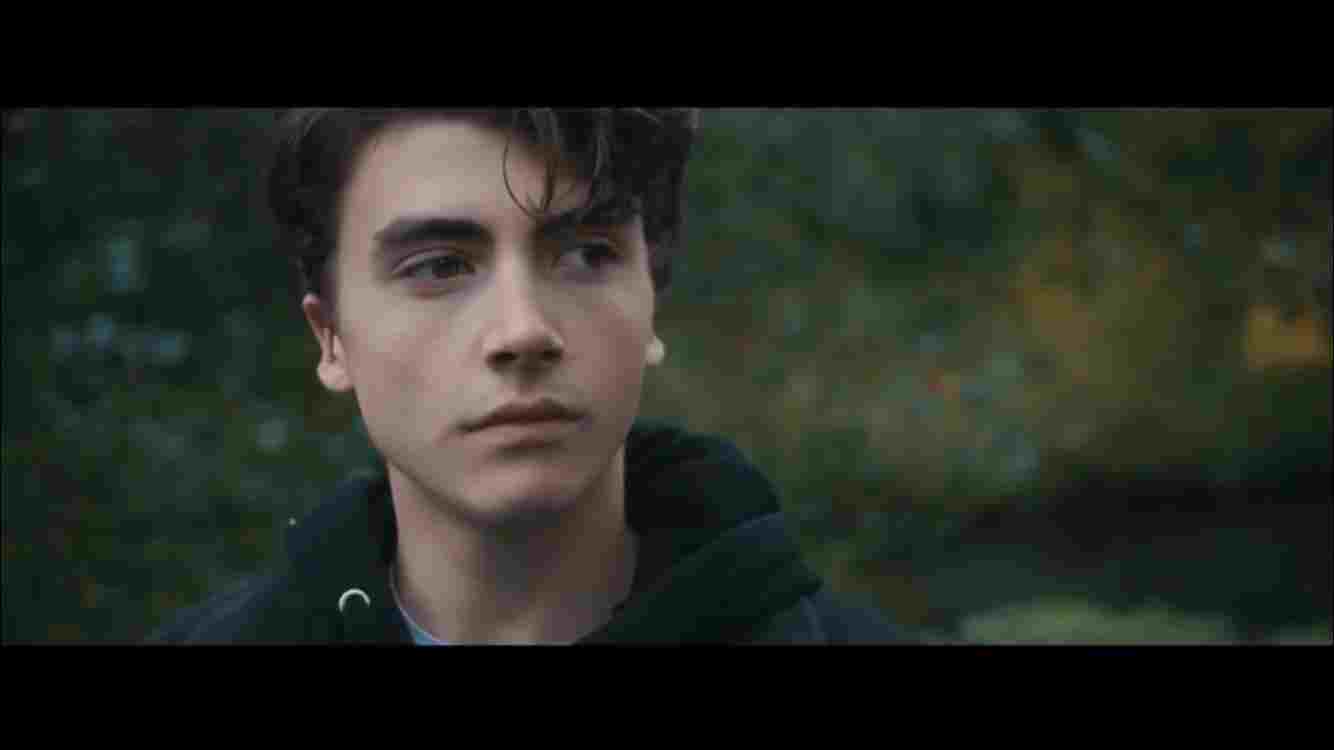
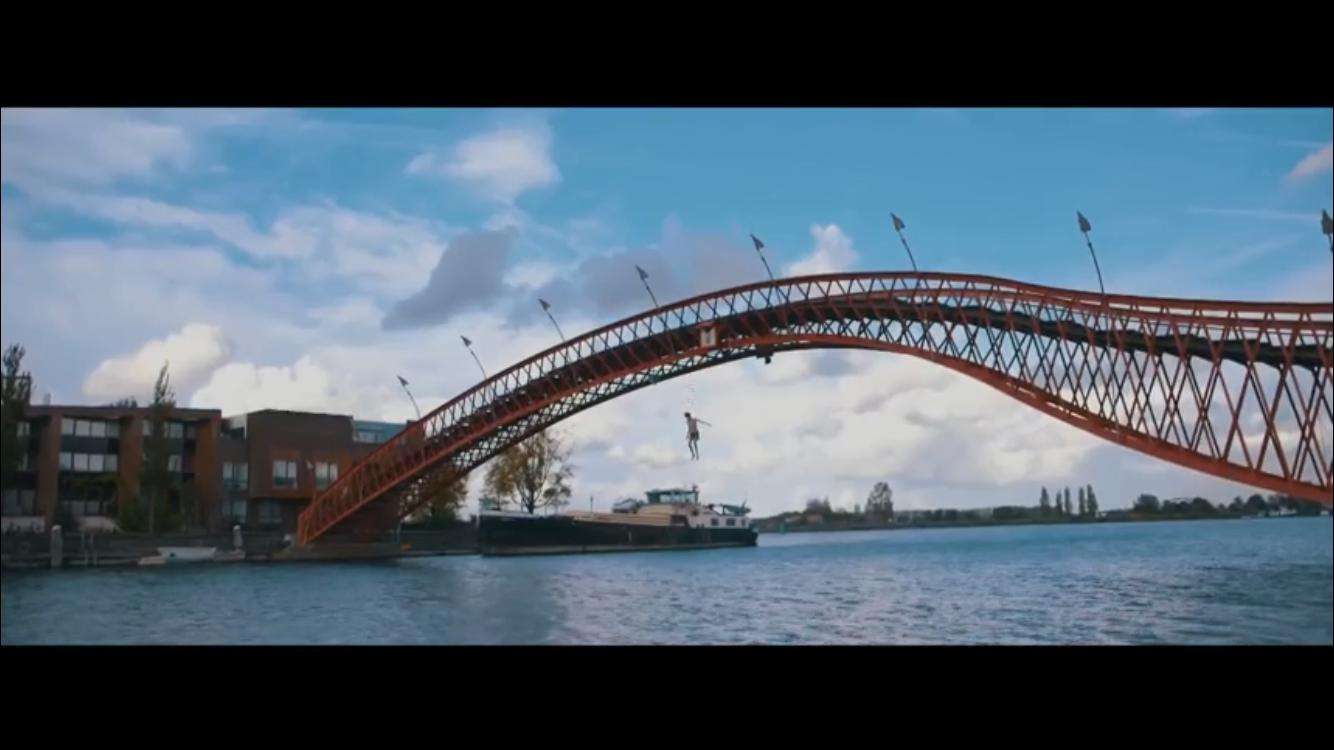
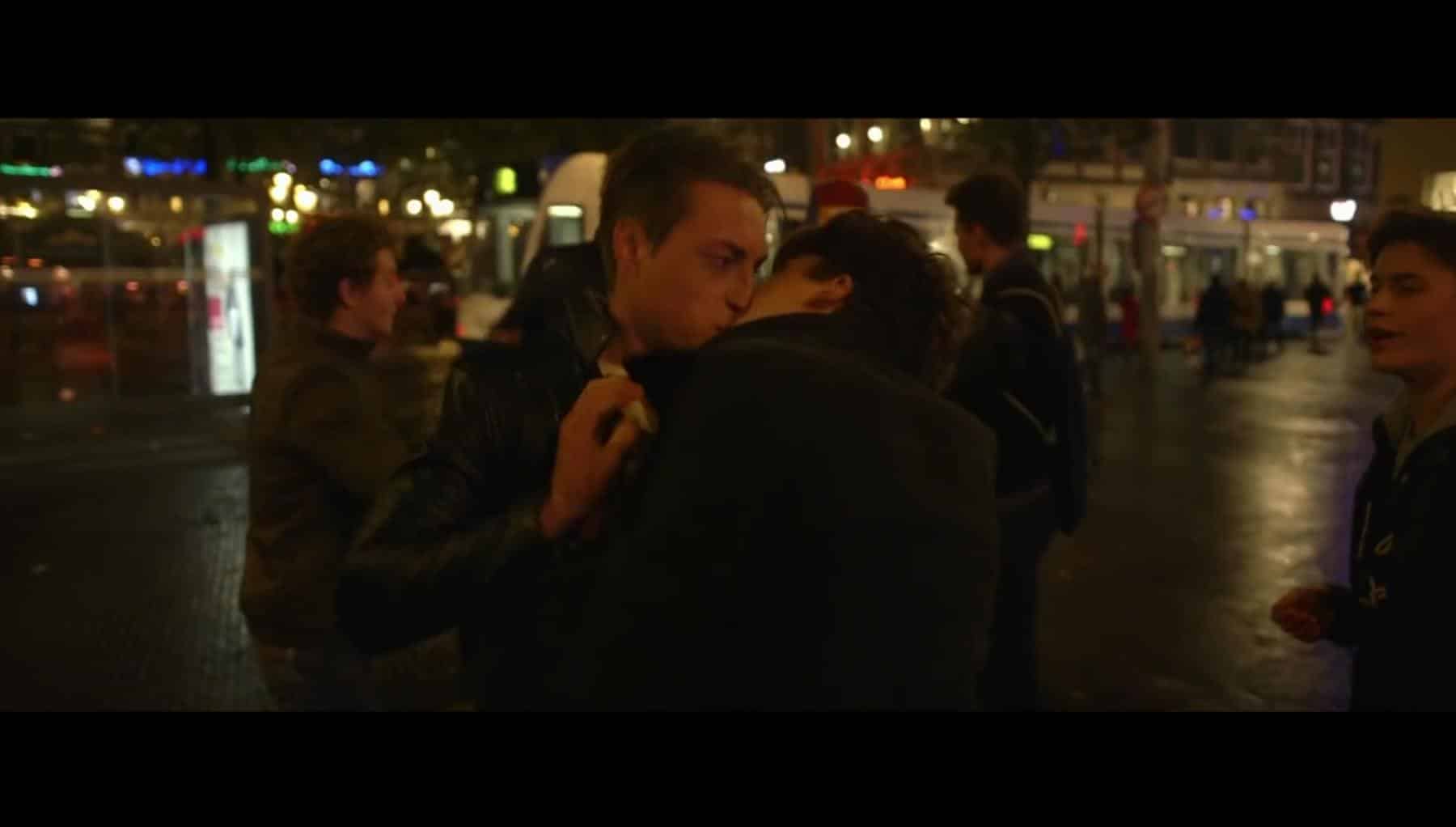
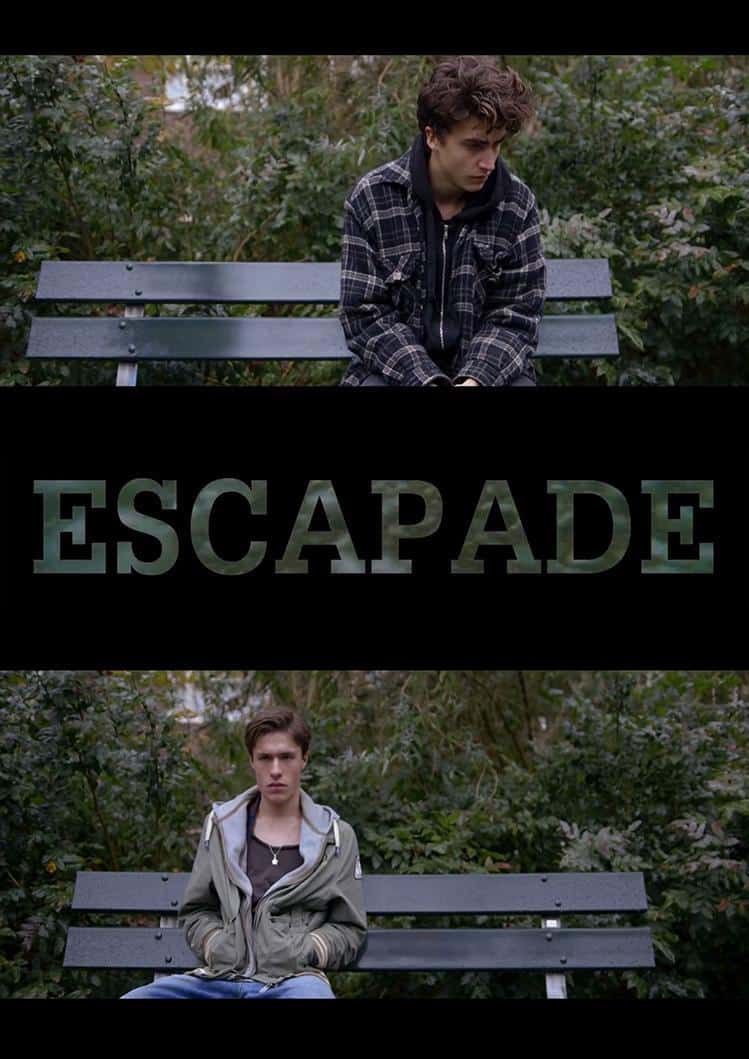
 This short gay film, Escapade, is a raw, unflinching portrayal of teenage rebellion and the desperate search for freedom—a stark mirror to the suffocating realities of home life. At just under 22 minutes, it delivers a punch of realism that hits hard from the opening scene on the bridge, capturing the turbulent emotions of 17-year-olds Quint and Thijmen as they clash with their oppressive parents.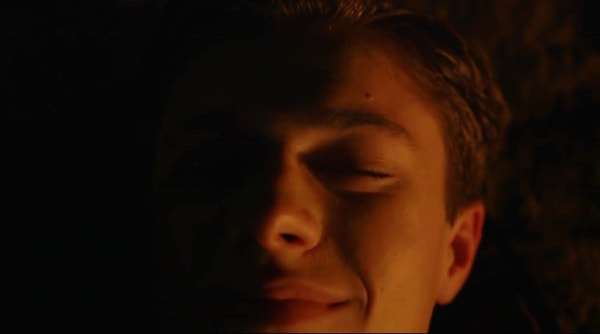

 The LGBTQ community and individuals have significantly shaped British society since the 1800s, influencing social attitudes, legal reforms, culture, and rights movements.
 50 years young, Cara Friend is celebrating its half century in style. The bastion of hope and support for so many, during the time of repression, persecution and at times physical attacks for the LGBTQI+ community, Cara Friend is remembering its beginnings and looking forward to its future.


