ACOMSDave

Community Journalist

  • Home
  • Community Journalist
  • Events
  • Media Page and Press Kit
    • Projects and Work
  • Resources & Documents
    • LGBTQ+ Support Groups and Documents
  • NIGRA
  • Archives
  • Contact

Balloons

14/02/2026 By ACOMSDave Leave a Comment

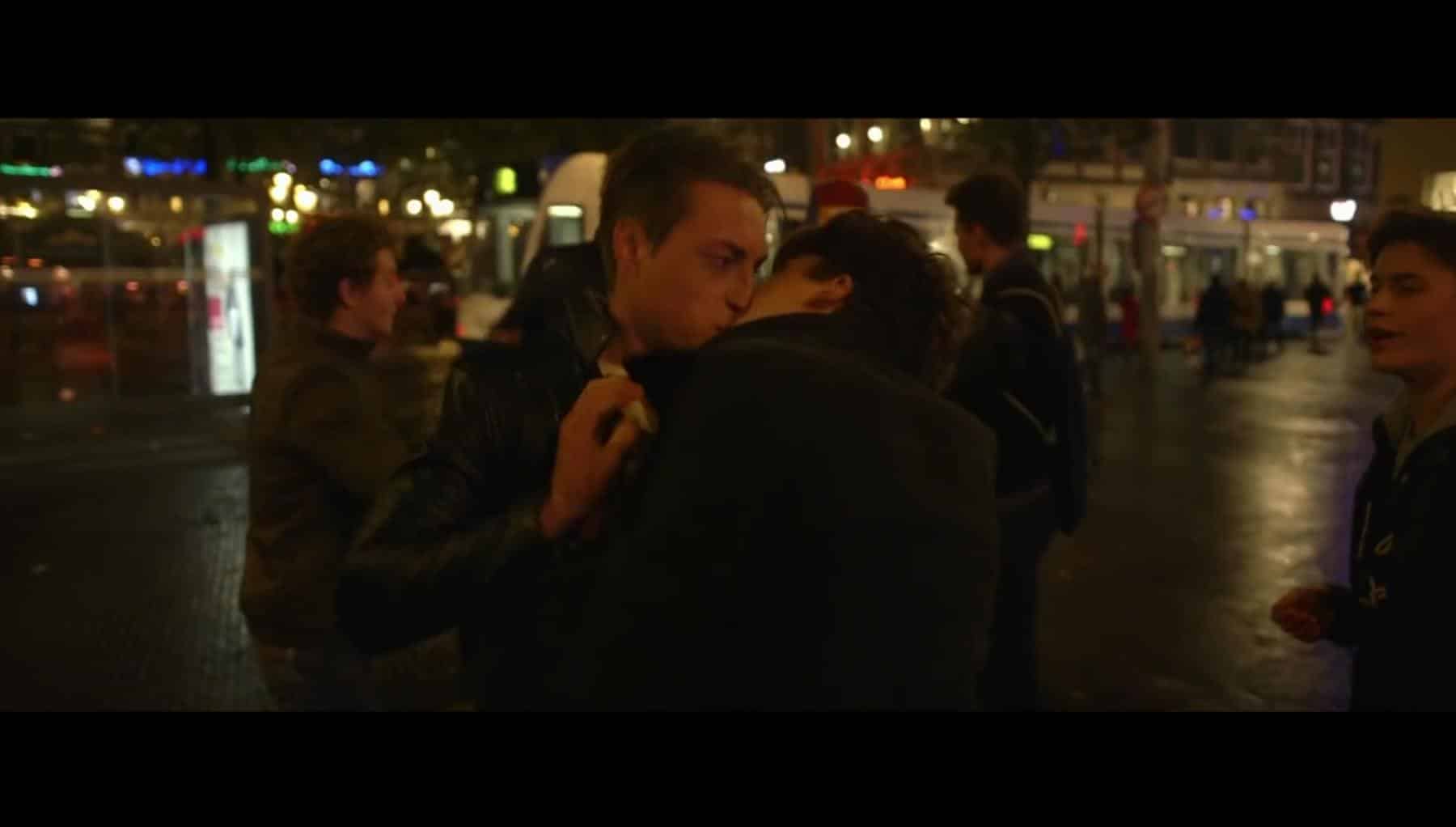
BalloonsIsaiah Henderson’s “Balloons” isn’t just a short film; it’s a gut punch wrapped in eight minutes of raw emotion. If you’ve ever navigated the treacherous waters of a love that’s vibrant behind closed doors but shrouded in fear in public, this one will resonate deeply.

The film delicately peels back the layers of shame, first love, and the ache of losing someone before you could truly have them. Keller Kennedy and Braeden Steele deliver performances that are both vulnerable and captivating, drawing you into their intimate yet fragile world. The film doesn’t shy away from the complexities of internalised homophobia and the pain it inflicts.

Henderson’s direction is both poetic and unflinching, using visual storytelling to amplify the emotional weight of the narrative. Andrew Snakez’s music elevates the film’s atmosphere, underscoring the bittersweet beauty of the story.

“Balloons” is more than just a coming-of-age story; it’s a poignant reflection on the courage it takes to love openly, and the scars left by those who can’t. It’s a must-watch for anyone who appreciates queer cinema that dares to explore the messy realities of love and identity.Balloons
 

#BalloonsFilm #GayFilm #LGBTQ #QueerCinema #ShortFilm #LoveStory #GayLove #IndieFilm #FilmReview #EmotionalFilm


Links:

    • YouTube – Balloons


Filed Under: Movie Reviews Tagged With: Balloons film, Braeden Steele, coming of age, gay short film, internalized homophobia, Isaiah Henderson, Keller Kennedy, LGBT Film, love story, queer cinema

Sun-Drenched Innocence: A Review of Vincent Fitz-Jim’s ‘Daniel’

14/02/2026 By ACOMSDave Leave a Comment

Daniel - 2012Daniel (2012) is a short film that captures the ephemeral magic of first love with a gentle, poetic touch. Written and directed by Vincent Fitz-Jim, this coming-of-age story unfolds on a seemingly endless summer’s day, following a teenage boy as he experiences the intoxicating bloom of romance.

A Fleeting Encounter, Beautifully Rendered

Fitz-Jim crafts a narrative that feels both universal and deeply personal. The film avoids heavy-handed exposition, instead relying on subtle gestures, lingering glances, and the sun-drenched cinematography of Martijn Cousijn to convey the emotional landscape of its protagonist. Bas de Vries delivers a nuanced performance as Daniel, embodying the awkwardness and vulnerability of adolescence with authenticity. Eva Oosters shines as his captivating counterpart, radiating a natural charm that draws the viewer in. Frederik Stuut provides solid support, adding depth to the story.

Visual Poetry and Sonic Harmony

The film’s visual language is striking. Cousijn’s cinematography bathes the scenes in a warm, golden light, evoking a sense of nostalgia and idyllic beauty. The camera lingers onDaniel - 2012 -2 small details – the way sunlight filters through leaves, the gentle sway of grass – creating a dreamlike atmosphere that perfectly complements the story’s themes. The music, composed by The Album Leaf, is equally evocative, weaving a delicate tapestry of sound that enhances the film’s emotional resonance. The score is very effective.


A Moment in Time

Daniel isn’t a film about grand gestures or dramatic plot twists. Instead, it’s a quiet, introspective exploration of a fleeting moment in time. It captures the essence of first love – the excitement, the uncertainty, and the bittersweet awareness that it may not last. The film’s brevity is both a strength and a weakness. While it leaves you wanting more, it also perfectly encapsulates the transient nature of the experience it portrays.

Final Thoughts

Vincent Fitz-Jim’s Daniel is a gem of a short film. It’s a beautifully crafted and emotionally resonant coming-of-age story that lingers in the mind long after the credits roll. If you’re a fan of films that prioritize atmosphere, character, and visual storytelling, Daniel is definitely worth seeking out.

Verdict: Highly RecommendedDaniel

Where to Watch:

  • YouTube – Daniel (2012)
  •  
  • Review of “Oskar | A Coming-of-Age Short Film”

Filed Under: Movie Reviews Tagged With: Bas de Vries, coming of age, Daniel (2012), Eva Oosters, film review, first love, independent film, short film, The Album Leaf, Vincent Fitz-Jim

Review of “Oskar | A Coming-of-Age Short Film”

27/01/2026 By ACOMSDave Leave a Comment

OskarJoris Deffte’s “Oskar” is a student project that delves into familiar territory, focusing on the poignant transition of letting go of old friendships to embrace new beginnings. Deffte himself acknowledges a degree of dissatisfaction with the final product, yet his decision to share it offers viewers a glimpse into the challenges and rewards of youthful self-discovery.


 
The film centres around Oskar, played by Julian Maucher, as he navigates the shifting sands of adolescence. The narrative hinges on Oskar’s relationship with his old friend, Nick (played by Joris Deffte), and the necessity of moving on to find “new people and more joy in life.” While the description remains vague about the specific events that trigger this change, it’s clear that the film explores themes of growth, change, and the sometimes painful process of leaving the past behind.
 
The supporting cast, including Lara Jermann as Anna and Hamo Othman as Alex, likely play roles in Oskar’s journey, perhaps representing the “new people” he encounters. The involvement of family members, with Heike Werner von Niessen as Oskar’s Mother, Silke Deffte as Nick’s Mother, and Michael Deffte as Nick’s Father, suggests that the film also explores familial relationships and their impact on adolescent development.
Oskar Oskar
 
Technically, the film benefits from the work of Jan-Oliver Schenke as Director of Photography, with Linda Schmitz and Christopher Meier-Wilkening handling light and sound. The music, featuring Jack Vallier’s “Change Your Mind,” likely complements the film’s emotional tone.
 
Despite Deffte’s reservations, “Oskar” presents a relatable narrative about the complexities of growing up. Its exploration of friendship, change, and the search for personal fulfilment resonates with audiences who have experienced similar transitions in their own lives. While its status as a student project might imply certain limitations, the film’s heart and its willingness to tackle universal themes make it a worthwhile watch. The film is available on Joris’s YouTube channel.
Oskar
 
 
Oskar – CAST
Oskar – Julian Maucher
Anna –  Lara Jermann
Alex –   Hamo Othman
Nick-   Joris Deffte
Oskar’s Mum –  Heike Werner von Niessen
Nick’s Girlfriend –  Linda Schmitz
Nick’s Mother –  Silke Deffte
Nick’s Father –  Michael Deffte

CREW
Director of Photography –  Jan-Oliver Schenke
Light & Sound –  Linda Schmitz + Christopher Meier-Wilkening
Helping Hands –  Alexander Kläsener + Elvira Antipova

Editing =  Joris Deffte

MUSIC
Jack Vallier – Change Your Mind

Written and directed by Joris Deffte
Produced by Linda Schmitz & Joris Deffte

Links:

  • Oskar | A Coming-of-Age Short Film
  • ’17’ A Small Hookup Story with a Heavy Echo – A movie review


Filed Under: Movie Reviews, Reviews Tagged With: change, coming of age, English subtitles, friendship, growth, independent film, Joris Deffte, Oskar, short film, student project

Elliot Loves [2012]

20/11/2025 By ACOMSDave Leave a Comment

Elliott LovesIn the quiet space between childhood and adulthood lies the pulse of Elliot Loves (2012) — a film that moves in soft rhythms, layering memory and longing, and quietly asks: what does it mean to seek love when the world is still defining you?

The Premise

According to IMDB, the film follows the life of a Dominican-American named Elliot in two stages: first as a young boy trying to bond with his young mother; then as a 21-year-old in New York City searching for love. IMDb+2IMDb+2
It premiered on May 4, 2012, at the Miami Gay & Lesbian Film Festival. IMDb+1

Why it matters

What draws me into Elliot Loves is its layered structure. The childhood scenes ground Elliot’s longing in something elemental: family, home, identity. Then the adult version of Elliot moves through the city, the party scene, the crushes, the vulnerabilities — and we see how that early longing echoes into his search for connection.
The film doesn’t shout its themes; it gently lets them surface. The immigrant-American experience, the queer coming-of-age, the dual identity of being from one culture and in another — these are woven into Elliot’s life rather than placed front and centre.
For anyone who has felt out of sync with their environment, or who has carried childhood memories like soft, persistent ghosts, this film resonates.

Key Highlights

  • The dual-timeline structure lends the film a reflective tone, as childhood and adulthood become mirrors of each other.

  • The city becomes a character: New York isn’t just a backdrop; it’s a terrain of possibility and uncertainty for adult Elliot.

  • The mother-son dynamic grounds the emotional core. That early bond — or its absence — colours everything that follows.

  • Honest, vulnerable performances give us someone we root for, someone whose flaws and hopes are visible.

  • The film engages with identity in a lived, nuanced way: Dominican-American, queer, young, and searching. It doesn’t reduce Elliot to labels; it invites empathy.

My Personal Take

Watching Elliot Loves felt like touching a memory from two different angles: the whimsical childhood side (with its innocence and unspoken desires) and the grown-up side (with its awkwardness, hope, and fear). I found myself rooting for Elliot. I found myself reflecting on my own past — on my own longings, silent and spoken.
I also appreciated how the film doesn’t resolve everything. The search for love remains open-ended. It suggests that growing up isn’t about reaching a destination — it’s about the persistence of the question: “Can I find connection? Can I belong?”
If you’re in the mood for a film that whispers instead of shouts, that invites you into someone’s interior life rather than presenting spectacle, Elliot Loves is a worthwhile journey.

Who Should Watch It

  • Viewers interested in queer cinema and coming-of-age stories with nuance.

  • Anyone exploring the immigrant or first-generation experience in the U.S.

  • People who enjoy character-driven drama over action-heavy plots.

  • Those who like films that give you room to reflect rather than being told every detail.

Final Thoughts

Elliot Loves is quiet but not small; introspective but not insular. It invites you into a moment — or many moments — of a life in flux, anchored by memory, identity, and the longing for love. In its dual structure, it captures something many of us feel: the child who once was, still shaping the adult who becomes.
I’m glad I found it. I think you might be, too.


Links:

  • IMDB Eliot Loves
  • YouTube Eliot Loves
  • Boy Saint (2018) – Movie Review


#ElliotLoves #ComingOfAge #QueerCinema #LGBTQFilm #DominicanAmerican #IndependentFilm #NYCFilm #DualTimeline #FilmReview #ImmigrantExperience

Filed Under: Movie Reviews Tagged With: 2012 film, coming of age, Dominican American, dual timeline movie, Elliot Loves, immigrant experience film, independent film, LGBTQ film review, New York cinema, queer drama

Boy Saint (2018) – Movie Review

12/11/2025 By ACOMSDave Leave a Comment

“Boy Saint” (2018), directed by Tom Speers and adapted from Peter LaBerge’s poem, is a visually poetic short film that brings to life the subtle tensions and deep yearnings of queer adolescence. T

Boy Saint


his seven-minute drama follows two teenage boys as they navigate the confusion, excitement, and pain of first desire—offering a cinematic interpretation filled with tenderness, vulnerability, and a sense of secrecy.

The film’s style is marked by its lyrical narrative and imaginative cinematography, offering a haunting visual language that complements the poem’s themes. Scenes shift between the chaos of boys’ friendships and moments of intimate stillness, underscoring the story’s mix of danger, longing, and fleeting comfort. The deliberate contrast between group scenes and quieter exchanges reflects both the exhilaration and isolation that come with discovering one’s sexuality.

Authenticity lies at the film’s core. Tom Speers’ direction ensures that the actors’ interactions feel genuine, from roughhousing to shared silences. Much of the cast wasn’t made aware of the film’s full intent, creating an extra layer of realism—especially in scenes where the emotional stakes are highest. The choice of a classical choral soundtrack heightens the film’s poignant mood and aligns with its religious motifs, drawing viewers further into the characters’ inner worlds.

Critically, “Boy Saint” has been celebrated for its emotional honesty and artistry. It has garnered festival recognition for its profound impact despite its short runtime. The film resonates as a delicate portrayal of queer youth, marked by both longing and hope, presenting a story that lingers well beyond its final moments.

Boy Saint Boy Saint Boy Saint


In the beginning, we were one blood. Then the body, stem of thorns, grew its disagreement from the inside out. Like all biblical stories, it begins with a simple thorn, a natural secret the body kept from itself. I open the sealed envelope: everything in the sky folded, gathered into one body. Shoulders, the tightness of my mouth. Wounded bird. Lightning fluttering between two boys who want to be in a basement in a town they dreamt up. Lightning in cities and towns I’ve never been to, never heard of. I am positive. I am not. I make a moon with sugar and a damp thumb, watch its unlicked body dissolve into memory. A couple of towns over I am born and reborn. I am not. Not positive until I say it. Until I taste it. Boys died and die in bodies like this and don’t ghost, except on voice messages their mothers play to keep alive. They dress to grieve in churches. Inside black moons. Blotted-out days. Separate from face, posthumous thorn. Body liquefaction. I dream about altar boys in ironed seersucker suits pecking each other like swallows when dared. Boys with whiskey-mark necks. Like a scream of darts found them in the sanctuary’s locked basement in the dark. One night, they drew it—the town they dreamt of, fences yellowed, clouds like the static on the tv. Their only light. Knowing any other light would wake one’s sleeping sister, her body in the corner of the room’s mouth. Faithful, moving only as God does. One night in a symphony of nights. And He likes us until he doesn’t. Like trees struck by lightning, we aren’t visible until we’re on fire. Everything depreciates like this once it’s been said. Unless it is overheard. Unless it is shot in flight.


  1. https://www.imdb.com/title/tt11612704/
  2. https://letterboxd.com/film/boy-saint/
  3. https://letterboxd.com/film/boy-saint/details/
  4. https://www.poetryfilm-vienna.com/en/node/188
  5. https://www.youtube.com/watch?v=QYHGm6DCP-E
  6. https://www.onepointfour.co/2019/03/11/the-hidden-secrets-of-yearning/
  7. https://www.pw.org/taxonomy/term/31/content/about-us/lanternreview.com?page=253
  8. https://www.watchmode.com/movie/boy-saint
  9. http://www.davidreviews.tv/News/Smuggler_sign_Tom_Speers/
  10. https://asinovolablog.it/en/focus_irlanda/
  11. Un Invincible Été
  12. YouTube – Boy Saint | Poem by Peter LaBerge | Film by Tom Speers

#BoySaint #TomSpeers #PeterLaBerge #ShortFilm #LGBTQ #QueerCinema #IrishFilm #PoetryInMotion #ComingOfAge #FilmReview

Filed Under: Movie Reviews Tagged With: adolescence, Boy Saint, coming of age, Irish film, LGBTQ, motionpoems, Peter LaBerge, poetic cinema, short film, Tom Speers

Un Invincible Été

26/10/2025 By ACOMSDave Leave a Comment

Un Invincible Été: A Tender Coming-of-Age Story

Un invincible étéA Brief but Powerful Exploration of Teenage Desire and Self-Discovery

Arnaud Dufeys’ short film Un Invincible Été captures a pivotal moment in adolescence with remarkable sensitivity and restraint. In just a brief runtime, the film manages to convey the complexity of teenage sexuality, vulnerability, and the sometimes uncomfortable gap between expectation and reality.

The premise is deceptively simple: 16-year-old Clément (Vadiel Gonzalez Lardued), bored and restless during a hot summer evening by the pool, decides tonight’s the night he’ll lose his virginity. Armed with Grindr and a lie about his age, he arranges to meet 24-year-old Naël. What follows is a delicate portrait of anticipation, nervous energy, and ultimately, a different kind of awakening than Clément expected.

What makes this film particularly effective is its refusal to sensationalize. Writer Nicolas Moulin crafts a narrative that understands the urgency and single-mindedness of teenage desire while also acknowledging the emotional complexity beneath it. The film’s turning point—when Clément encounters a body “completely different from Naël’s”—becomes not just about physical intimacy but about accepting reality versus fantasy, and the messy, imperfect nature of growing up.

The performances are naturalistic and unforced, particularly Gonzalez Lardued’s portrayal of Clément’s mix of bravado and uncertainty. Dufeys directs with a light touch, letting moments breathe and trusting his audience to read between the lines. The summer setting—the pool, the heat, the isolation—creates an almost dreamlike atmosphere that perfectly captures that strange liminal space of adolescence.

Un Invincible Été doesn’t provide easy answers or moralize about its subject matter. Instead, it offers an honest, empathetic glimpse into a formative moment, reminding us that coming of age is rarely about grand revelations but rather small, sometimes awkward moments of truth that shape who we become.

A thoughtful, mature short that lingers in the mind long after its brief runtime.


Un invincible été Un invincible été Un invincible été Un invincible été

Links:

  • IMDB – Un Invincible Ete 
  • YouTube – Un Invinvible Ete


#UnInvincibleÉté #GayShortFilm #LGBTQCinema #QueerCinema #FrenchFilm #ComingOfAge #ShortFilm #GayMovie #QueerFilm #IndieFilm #LGBTQShort #GayTeen #FrenchCinema #ArnaudDufeys #SummerFilm #QueerStory #GayRomance #ShortFilmReview #LGBTQ #QueerMedia

Filed Under: Movie Reviews Tagged With: arnaud dufeys, coming of age, french gay film, French short film, gay coming out, gay short film, gay teen movie, grindr movie, independent cinema, lgbtq short, LGBTQ+ cinema, queer cinema, queer short film, summer romance, teen sexuality, un invincible été, vadiel gonzalez lardued

Mrs. McCutcheon – Movie Review

11/08/2025 By ACOMSDave Leave a Comment

Review: Mrs. McCutcheon – A Radiant Short About Identity, Friendship, and Daring to Dance
By David McFarlane

Mrs McCutcheon Now and then, a short film comes along that says more in 16 minutes than some features manage in two hours. Mrs. McCutcheon, directed by John Sheedy and co-written with Ben Young, is one such gem — a heartfelt, unapologetic embrace of childhood difference, gender identity, and the bravery it takes to simply be yourself in a world that prefers conformity.

…Hey

This here, is my skin

This here is your skin

You got to be proud of that…


At the heart of the film is Tom — or rather, Mrs. McCutcheon — a 10-year-old child who knows, without hesitation, that the name assigned at birth does not reflect who they truly are. In a world that struggles to handle nuance, Mrs. McCutcheon strides forward in floral dresses and honesty, yearning not for attention but for belonging. Alec Golinger’s performance is luminous — tender without being twee, assured without being overly precocious. It’s the kind of portrayal that feels rare: childlike, but deeply wise.

Navigating a new school for the third time, Mrs. McCutcheon is predictably met with the usual cocktail of curiosity, ridicule, and cruelty. But amid the storm stands Trevor, played beautifully by Wesley Patten — a boy who understands what it means to be on the outside. As an Aboriginal child in a predominantly white school, Trevor’s marginalisation quietly mirrors Mrs. McCutcheon’s. Their friendship is the film’s heartbeat: subtle, sturdy, and transformative.

What Mrs. McCutcheon captures so well is the dual truth of childhood — that it can be both wildly cruel and deeply compassionate. The school dance, that almost-mythic rite of passage, becomes a stage for something far greater than a night of awkward swaying and bad punch. Without spoiling the moment, let’s just say the ending is bold, liberating, and quietly revolutionary. It left me teary-eyed and hopeful.

Technically, the film is a joy. Its cinematography bathes the story in warmth and colour, refusing to dull its vibrancy for the sake of “grit.” There’s humour, too — gentle, clever, and never at the expense of its characters. Sheedy and Young never preach, but they do remind us that courage isn’t always loud. Sometimes, it’s wearing a dress to a school dance and daring the world not to look away.Mrs McCutcheon Mrs McCutcheon

Mrs. McCutcheon is not just a celebration of gender diversity and youthful resilience — it’s a reminder that our differences are not flaws to overcome but truths to be honoured. And in today’s climate, where LGBTQ+ youth still face so many barriers, stories like this aren’t just important. They’re essential.

This award-winning short, lauded across festivals from Melbourne to São Paulo, deserves to be seen, shared, and remembered — not only for what it says, but for how beautifully it says it.

Director

John Sheedy

Writers

Ben Young

John Sheedy

Stars

Alec Golinger

Wesley Patten

Nadine Garner


Links:

  • YouTube – Mrs. McCutcheon
  • IMDb – Mrs. McCutcheon
  • Movie Lists


Filed Under: Movie Reviews, Reviews Tagged With: Alec Golinger, Australian short film, award-winning short, coming of age, diversity in film, friendship, gender identity, inclusive storytelling, John Sheedy, LGBTQ+ film, LGBTQ+ representation, Melbourne Queer Film Festival, Mrs. McCutcheon, queer cinema, Sao Paulo Short Film Festival, school dance, short film, Stream Short Films, trans youth, Wesley Patten

August (Août) – Movie Review

08/08/2025 By ACOMSDave Leave a Comment

Review: August (Août) – A Fever Dream of Queer Youth and Unspoken Longing
By David McFarlane

Aout or AugustThere’s something elusive, almost spectral, about August (Août), Louis Thines’ short film about youth, identity, and the electric charge of uncertain desire. Like the haze of a sun-drenched French summer, it is beautiful to look at but often slips through your fingers the moment you try to hold onto it.

Thines, who writes, directs, and stars, gives us Louis — a young man drifting between adolescence and adulthood, unsure whether the world he’s entering will accept the parts of him still forming. He visits his best friend Roxane in the south of France, and we are drawn immediately into the languid rhythms of long days, warm light, and the emotionally loaded quiet between people who are not quite saying what they feel.

Enter Jérémy (played with understated magnetism by Jérémy Papallardo), a stranger met at a party who seems to reflect all that Louis is unsure of in himself. Their interactions, captured through soft, intimate cinematography, shimmer with possibility. It’s less about dialogue and more about proximity — bodies not touching, glances exchanged, silences that thrum with meaning.

And then — a kiss. Or rather, the suggestion of one. A brief, pivotal moment when Jérémy leans in and Louis recoils, not with revulsion, but confusion. We hold our breath. And then… nothing. The moment vanishes, like a wave that never breaks.

It’s in this unresolved space that August both finds its mood and loses its momentum. The film never quite allows us to know what Louis wants, or even who he is — and perhaps that’s the point. But while ambiguity can be powerful, here it feels more like absence. As a viewer, I felt not only suspended but slightly abandoned.

Technically, though, August is stunning. From the golden palette of late afternoons to the sound design that captures the lazy hum of a southern summer, Thines has crafted a world I believed in completely. Every frame feels lived-in, every gesture natural, every moment held just long enough to suggest there is more beneath the surface.Aout or August

But narrative, like desire, needs direction. And here, August hesitates when it most needs to speak. The queer experience, especially in youth, is often defined by silences — those moments when we don’t say what we feel, or don’t know how. Thines understands this deeply. But in the end, I wanted a little more certainty, even if it was just emotional honesty.

August is a film about the in-between — between boyhood and manhood, friendship and love, self-assurance and fear. It is gorgeously observed, but narratively restrained. Whether that restraint is poetic or simply withholding will depend on the viewer. For me, it was a beautiful near-miss: tender, evocative, and frustratingly incomplete.

Still, I’d rather a filmmaker risk saying too little than too much. And I’ll be watching Thines’ future work with great interest. He has an eye — and a heart — worth paying attention to.

Aout or August

Links:

  • YouTube – Aout or August
  • IMDB – Aout or August
  • Orange Cheesecake


Would you like a shorter version for social media or a tagline for promotion?

Filed Under: Movie Reviews, Reviews Tagged With: Août, August, coming of age, European cinema, film criticism, French short film, gay romance, indie film, Jérémy Papallardo, LGBTQ+ film, LGBTQ+ storytelling, Louis Thines, queer cinema, queer identity, queer representation, queer youth, Roxane Hérault, short film review, summer romance, unresolved desire

Escapade – Movie Review

31/07/2025 By ACOMSDave Leave a Comment

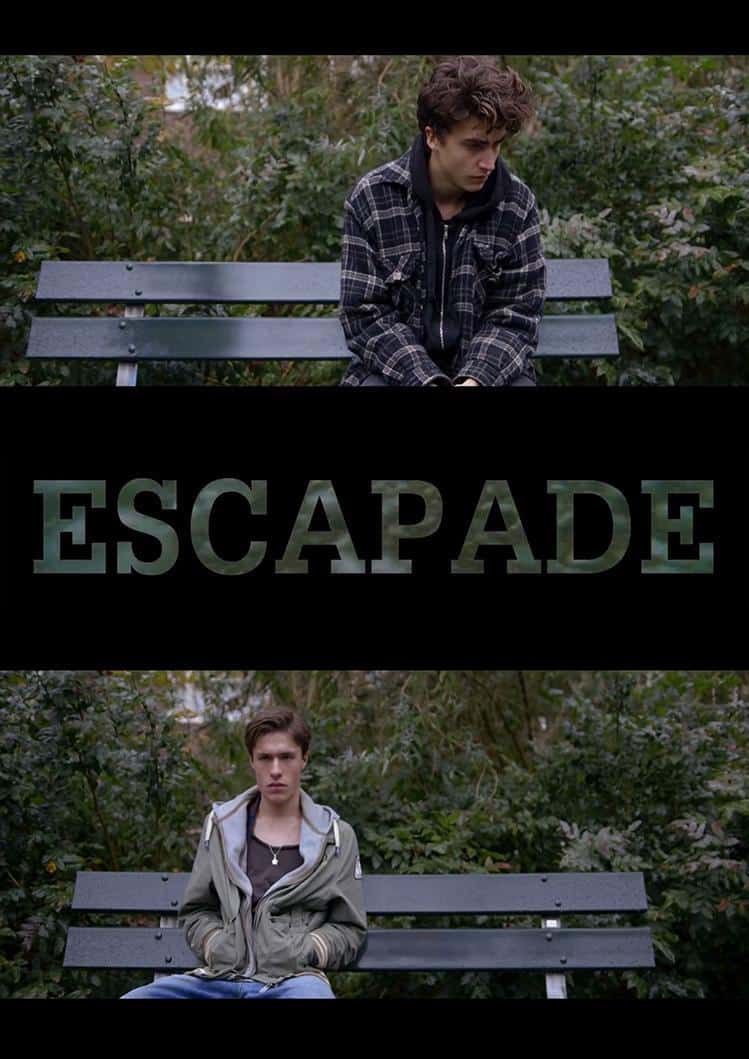
EscapadeThis short gay film, Escapade,  is a raw, unflinching portrayal of teenage rebellion and the desperate search for freedom—a stark mirror to the suffocating realities of home life. At just under 22 minutes, it delivers a punch of realism that hits hard from the opening scene on the bridge, capturing the turbulent emotions of 17-year-olds Quint and Thijmen as they clash with their oppressive parents.
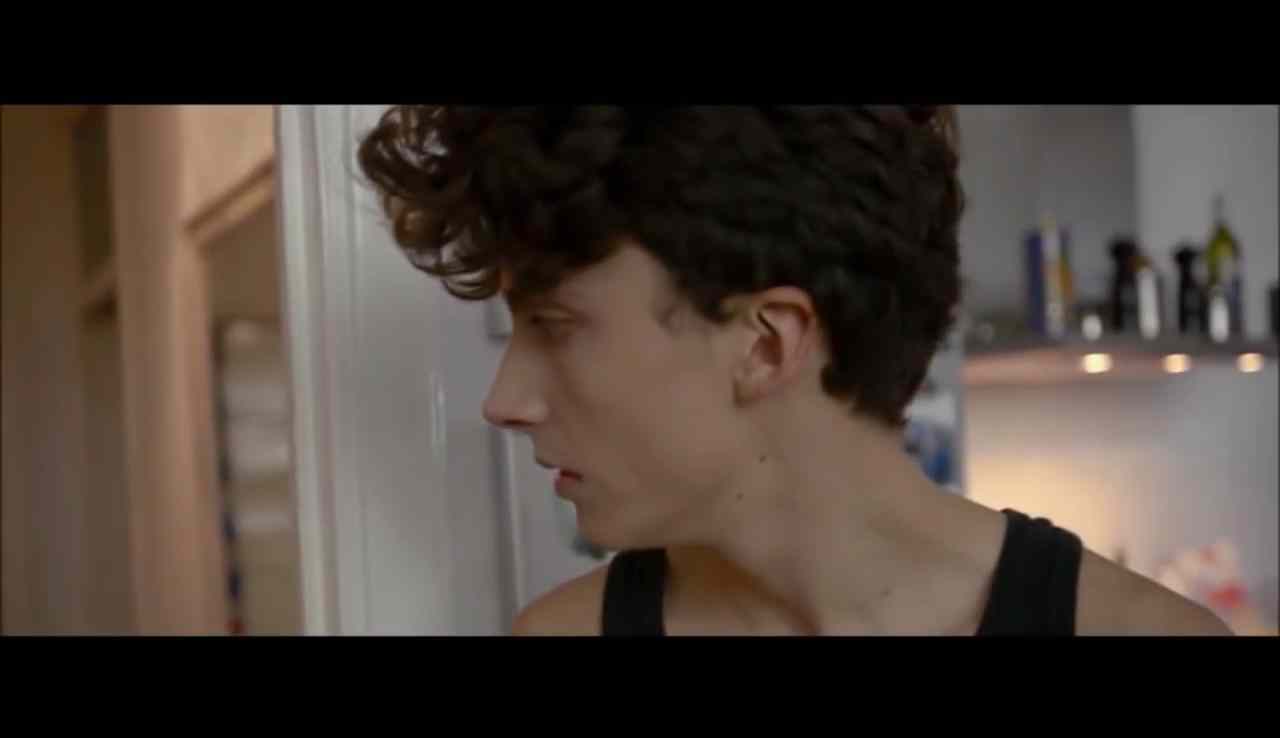

Gijs Blom, known for his role in *Jojens*, shines as both writer and actor, bringing a visceral authenticity to the story. His portrayal of Thijmen, alongside Robin Boissevain’s Quint, exposes the quiet rage and yearning for autonomy that define adolescence. The film’s visual and auditory textures—especially during the bridge and partying scenes—are tactile and immersive, immersing viewers in a gritty, honest world where every shot is meticulously crafted.

The narrative underscores how seemingly similar neighbouring homes conceal vastly different worlds: Thijmen’s overprotective family and Robin’s abusive, uncaring father. Both characters embody the universal struggle of young people seeking independence amid oppressive circumstances. The film’s construction, with its clever shot placement and pervasive filming style, captures the intensity and vulnerability of these moments with extraordinary clarity.

With a compelling mix of realism and artistry, this film encapsulates what it truly means to be a teen—conflicted, rebellious, and desperately seeking identity. It’s a gripping, honest look at youth’s fight for freedom and the scars left behind. A must-watch for anyone interested in the raw truths of teen life and the silent battles fought behind closed doors.

Escapde-2 Escapde-1 Escapde-7 Escapde-6 Escapde-3 Escapde-4

Duration : 21mn 48s

Gijs Blom Thijmen
Robin Boissevain Quint
Daniel Boissevain Quint apja
Marloes van den Heuvel Thijmen anyja
Bart Blom Thijmen apja

Links:

  • YouTube – Escapade
  • “Silver Road” – Gay Short Film 2006 – Movie Review

Filed Under: Editor to ACOMSDave, Movie Reviews Tagged With: coming of age, Escapade, Gijs Blom, honest storytelling, LGBTQ+ short film, raw teen drama, teen rebellion, teenage struggle, youth and freedom, youth oppression

Lobster Trap [2023] – Movie Review

26/07/2025 By ACOMSDave Leave a Comment

Lobster Trap  “Lobster Trap” (2023) is a compelling short drama that plunges into the turbulent world of youth and rebellion. Directed by Charlie Statires, the film masterfully captures the raw emotion and vulnerability of Chance, a troubled teenager navigating a chaotic home life. After being expelled from his trailer, where he shares a strained existence with his alcoholic brother, Wesley’s impulsive night leads him to an unexpected escape—finding himself aboard a lobster boat in the open sea.

The film’s brevity belies its depth, delivering a poignant exploration of seeking freedom amidst adversity. Statires expertly portrays Chance’s joLobster Trapurney, earning the film the Best Performance award at the New Hampshire Film Festival. The ocean setting serves as a powerful backdrop for themes of isolation, liberation, and self-discovery, resonating long after the credits roll. “Lobster Trap” is a visually evocative anLobster Trapd emotionally honest piece that reminds us of the resilience and yearning for escape that exists within troubled youth. An impressive short that leaves a lasting impression.


This is not a gay movie, but the main actor, Chance, played by Charlie Statires, is attractive to look at, and is on screen for most of the nearly 20 minute long movie.

FILM CREDITS Written and Directed by: Charlie Statires

Produced by: Eric Charles Jorgenson and Versa Manos and Charlie Statires

Cinematography by: Nicola DiTomaso Edited by: Kenny Yates

Composed by: Lubomir Rzepka

CAST CHANCE: Charlie Statires

LOBSTERMAN: Eric Charles Jorgenson

JOHNNY: Braxton Hale

RUBY: Gabriella Santinelli

THOMAS: John Potvin

EDNA: Sylvia Hummel

CHRISTINE: Lisa Miller

Links:

  • YouTube – Lobster Trap
  • Love in the tent

Filed Under: Movie Reviews Tagged With: adventure film, best performance award, Charlie Statires, coming of age, emotional film, emotional storytelling, Lobster Trap, New Hampshire Film Festival, ocean escape, short drama, teen rebellion, youth resilience

  • 1
  • 2
  • Next Page »

Categories

Copyright ACOMSDave.com © 2026