
 Daniel (2012) is a short film that captures the ephemeral magic of first love with a gentle, poetic touch. Written and directed by Vincent Fitz-Jim, this coming-of-age story unfolds on a seemingly endless summer’s day, following a teenage boy as he experiences the intoxicating bloom of romance.
A Fleeting Encounter, Beautifully Rendered
Fitz-Jim crafts a narrative that feels both universal and deeply personal. The film avoids heavy-handed exposition, instead relying on subtle gestures, lingering glances, and the sun-drenched cinematography of Martijn Cousijn to convey the emotional landscape of its protagonist. Bas de Vries delivers a nuanced performance as Daniel, embodying the awkwardness and vulnerability of adolescence with authenticity. Eva Oosters shines as his captivating counterpart, radiating a natural charm that draws the viewer in. Frederik Stuut provides solid support, adding depth to the story.
Visual Poetry and Sonic Harmony
The film’s visual language is striking. Cousijn’s cinematography bathes the scenes in a warm, golden light, evoking a sense of nostalgia and idyllic beauty. The camera lingers on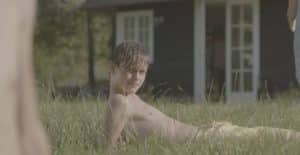 small details – the way sunlight filters through leaves, the gentle sway of grass – creating a dreamlike atmosphere that perfectly complements the story’s themes. The music, composed by The Album Leaf, is equally evocative, weaving a delicate tapestry of sound that enhances the film’s emotional resonance. The score is very effective.
A Moment in Time
Daniel isn’t a film about grand gestures or dramatic plot twists. Instead, it’s a quiet, introspective exploration of a fleeting moment in time. It captures the essence of first love – the excitement, the uncertainty, and the bittersweet awareness that it may not last. The film’s brevity is both a strength and a weakness. While it leaves you wanting more, it also perfectly encapsulates the transient nature of the experience it portrays.
Final Thoughts
Vincent Fitz-Jim’s Daniel is a gem of a short film. It’s a beautifully crafted and emotionally resonant coming-of-age story that lingers in the mind long after the credits roll. If you’re a fan of films that prioritize atmosphere, character, and visual storytelling, Daniel is definitely worth seeking out.
 Joris Deffte’s “Oskar” is a student project that delves into familiar territory, focusing on the poignant transition of letting go of old friendships to embrace new beginnings. Deffte himself acknowledges a degree of dissatisfaction with the final product, yet his decision to share it offers viewers a glimpse into the challenges and rewards of youthful self-discovery.
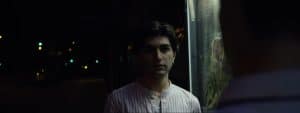



 “Will love survive the silence — or will fear keep pressing decline?”
 HeartDrop is more than a short film — it’s an emotional exploration of what happens when love exists in the shadows.
 Now and then, a short film comes along that says more in 16 minutes than some features manage in two hours. Mrs. McCutcheon, directed by John Sheedy and co-written with Ben Young, is one such gem — a heartfelt, unapologetic embrace of childhood difference, gender identity, and the bravery it takes to simply be yourself in a world that prefers conformity.

 In “Reel,” director and writer Jens Choong delivers a poignant exploration of friendship, identity, and the bittersweet nature of growing up. Set against the backdrop of a city on the cusp of change, the film centres on Victor (Fanny Ketter) and his best friend Robert (Toft Hervén) during the last day before Victor moves away. This timeline cleverly encapsulates the fleeting moments before a significant life transition, making the stakes feel personal and urgent.
 expressions, both a playground and a reminder of what they stand to lose. The film’s pacing allows for moments of reflection, giving audiences space to absorb the weight of their impending separation.


