ACOMSDave

Community Journalist

  • Home
  • Community Journalist
  • Events
  • Media Page and Press Kit
    • Projects and Work
  • Resources & Documents
    • LGBTQ+ Support Groups and Documents
  • NIGRA
  • Archives
  • Contact

Do the LGBT Youth in Northern Ireland feel safe?

12/06/2015 By Dave McFarlane Leave a Comment

Editorial:  So LGBT young people in Scotland ‘feel unsafe’!  I wonder if the same is true in Northern Ireland – only you the readers can tell us.  What not leave us share stories in our comments  box.


Many LGBT young people ‘feel unsafe’
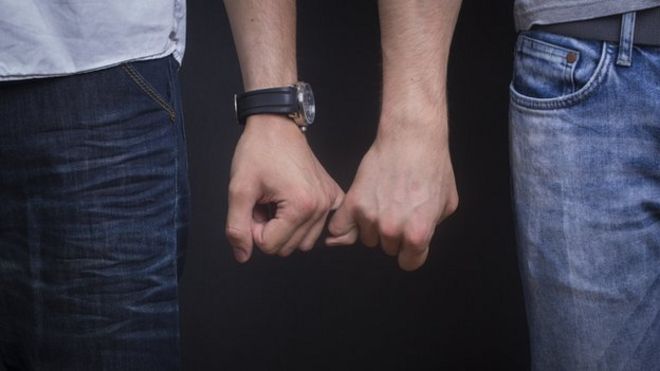
gay couple holding hands

Many lesbian, gay, bisexual and transsexual (LGBT) young people still encounter harassment in public spaces, according to a Scottish charity.

LGBT Youth Scotland said its research suggested more needed to be done to ensure LGBT young people felt safe.
It urged those affected to understand their rights and report discrimination.
The charity said not every young person was aware of what constituted a criminal act under hate crime legislation .
In an online survey of LGBT people aged 13 to 25 conducted by the charity, 49% of the 273 respondents said they felt safe and supported by the legal system. The figure fell to 40% among those who identified as transgender.
Half of those surveyed said they were aware of their rights, while a similar proportion (53%) said they would feel confident in reporting a crime they experienced to the police.
Among transgender young people the figure dropped to 48%, while bisexual women were the least likely to feel confident reporting a hate crime at 46%.

Hate crimes

Just over half (51%) of transgender young people said they felt safe using public transport.
While the charity has welcomed an increase in the reporting of hate crimes, YGBT Youth Scotland has recommended that campaigns, activities and lesson plans be developed for use in schools, with specific reference to hate crime.
Chief executive Fergus McMillan said: “In Scotland, we are fortunate to have strong hate crime legislation that is inclusive of transgender identities yet the safety report shows a gap in knowledge and confidence for transgender young people in particular.
“When young people know about their rights, and have confidence in the process, they are more likely to be willing to report.
“An increase in reported crimes since the introduction of the legislation is certainly positive, yet more must be done to ensure that LGBT young people feel safe in their communities, understand their rights and how to report discrimination and harassment, and have the confidence to report.”
Filed Under: Anti-Bullying & Homophobia, Campaigns Tagged With: LGBT youth, safety, survey

World first survey uncovers widespread homophobia at UK sports events

11/05/2015 By ACOMSDave Leave a Comment

Reprinted from Phs.Org – May 09, 2015

The world’s first international study on homophobia in sport, “Out on the Fields,” has found widespread homophobia in UK sport, prompting calls for a zero tolerance approach towards discrimination and better training for coaches, teachers and officials.

The research, on behalf of the Bingham Cup (the world cup of gay rugby) and affiliated sports groups, was conducted by the global sports market research firm Repucom and overseen by a panel of seven academics from six universities, including Brunel University London.
Participants were from the United Kingdom, Ireland, North America, Canada, New Zealand and Australia.
The results show that despite the prevalence of homophobia, more young gay and lesbian athletes are coming ‘out of the closet’ than ever before.
Gay men in the UK under the age of 22 were nearly twice as likely to be out of the closet to their entire team (30 per cent) than in most other English speaking countries.
In the UK, spectator stands as well as reports of homophobic violence stood out as major areas of concern.
Retired Welsh rugby player, Gareth Thomas, who came out in 2009 said, “This study has cast a very bright and much needed light on the extent of homophobia in sport in the UK and around the world.”
Thomas, who wrote a ‘Foreword’ for “Out on the Fields” added “I’m very encouraged to see that more gays and lesbians are finding the courage to come out of the closet, certainly much younger than I did while playing sport.
“It’s even more impressive that they are choosing to be open about their sexuality despite the widespread homophobia that continues to be reported around sporting fields, especially among fans.”
Robbie Rogers, who came out when he left Leeds United, becoming the first openly gay male professional athlete to join any of the five major American sports leagues when he signed with the LA Galaxy soccer team, said, “It’s very disappointing to see that the overwhelming majority of people who took part in the study, including the many straight people, thought an openly gay, lesbian or bisexual person would not be very safe as a spectator.
“This is not acceptable. Everyone should be able to enjoy sports. It’s time that all sports enforce a zero tolerance of hateful language on and off the fields.
Rogers added that he strongly supported “immediate venue bans for anyone using homophobic, racist or any other form of discriminatory language.” He also said that players should receive penalties for using this language.
Review panel member Professor Ian Rivers from Brunel University London, said, “In the UK we have recently invested significant resources to address discrimination in sport but it’s very clear from this study that much more needs to be done, particularly around homophobia.
“This form of discrimination is not only affecting lesbian, gay and bisexual people but the study shows many straight men are also being targeted.
“I strongly hope that sport governing bodies, organisers of major sporting events, coaches, referees and even athletes take this report away and consider what we each can do to ensure lesbian, gay and bisexual people feel safe and welcome.”
Data were collected through an anonymous 10-15 minute online survey promoted through social and traditional media and by sporting organisations, professional athletes, corporations and government.
The survey, the largest of its kind, comprised nearly 9500 participants, including 1796 from the UK. About one-quarter of participants described themselves as heterosexual.
‘Out on the Field’ also found:

  • More than half of gay men (60 per cent) and lesbians (54 per cent) and 24 per cent of heterosexual men said they have personally been targeted with homophobia.
  • 30 per cent of UK gay youth and 27 per cent of lesbian youth said they were out of the closet to their entire team (under 22).
  • 85 per cent of UK participants (including those describing themselves as heterosexual) believe an openly gay, lesbian or bisexual person would not be very safe as a spectator at a sporting event.
  • Nearly half (48 per cent) of gay men who didn’t play team sports were discouraged by homophobic experiences in school PE class.
  • Gay and lesbian youth in the UK are much more likely to report being personally targeted than previous generations.
  • Of those who had personally experienced homophobia: 81 per cent of gay men and 80 per cent of lesbians have received verbal slurs such as “faggot” or “dyke.”
  • Violence was also common with 21 per cent of gay men and 14 per cent of lesbians reporting physical assaults and 26 per cent of gay men and 18 per cent of lesbians reporting threats of harm.


Filed Under: Anti-Bullying & Homophobia Tagged With: homophobia in sport, research, survey

GLAAD: LGBT Characters All But Disappeared in Movies

17/04/2015 By ACOMSDave Leave a Comment

GLAAD’s 2015 survey reports that only 17.5 percent of Hollywood studio films featured LGBT characters — and gives failing grades to Sony and Disney.
Republished from The Advocate: BY ADAM SANDEL  APRIL 15 2015 11:40 AM ET

GLAAD monitored films such as The Interview with Eminem.

GLAAD monitored films such as The Interview with Eminem.


In its third annual survey of LGBT representation in Hollywood movies, GLAAD reports that only 17.5 percent of studio releases featured queer characters — and many of them appear only fleetingly.
No studio earned an “excellent” grade in GLAAD’s report. Warner Bros. was graded “good,” Fox, Lionsgate, Paramount and Universal were deemed “adequate,” while Sony and Disney “failed.”
Although fewer defamatory LGBT images appeared in Hollywood films than in years past, Exodus: Gods and Kings, Horrible Bosses 2, and the Will Ferrell comedy Get Hard featured damaging attitudes and stereotypes.
“More inclusive portrayals of LGBT characters are being seen on television and through streamed content than ever before,” says GLAAD President and CEO Sarah Kate Ellis. “But according to GLAAD’s third annual Studio Responsibility Index, released today, America’s major film studios lag far behind other media when it comes to nuanced portrayals of LGBT people.” Ellis also explores the findings of this year’s report in this Hollywood Reporter column.
Read the complete 2015 Studio Responsibility Index.
GLAAD monitored films such as The Interview with Eminem.
 

Filed Under: Movie Reviews Tagged With: film, GLAAD, movie, survey

Young voters ‘fed up’ with Northern Irish politicians

17/04/2015 By ACOMSDave Leave a Comment

Editorial:  Voting, if you are of the right age, is your right,  Please don’t squander it, find out what your candidates stand for, and their parties.  Do they reflect your rights and what you want out of life; if not challenge them to represent you properly

Repritned from BBC News bear:

By Declan HarveyNewsbeat’s Election Team in Northern Ireland

ELECTION 2015

vic and gary
Northern Ireland is “stuck in the past” according to some young voters there.
They’ve told Newsbeat they feel a “disproportionate amount of time” is spent dealing with the country’s violent past instead of introducing “modern laws”.
Compared to the rest of the UK, Northern Ireland, for example, still has tight restrictions on abortion and has not legalised gay marriage.
It’s left some feeling “mortified” and considering leaving the country.
Between 1968 and 1998 a bitter conflict was fought in Northern Ireland between those who want to stay part of the UK and those who want to leave and join the Republic of Ireland.
Although there is now peace, the cultural and political divide can still be felt in some areas.
Read our beginner’s guide to politics in Northern Ireland
“Everything comes down to ‘protestant and catholic'” says Mary, 23, who is part of the BBC’s Generation 2015 project.
“Everything is looked at through a very religious lens here, in a way that it isn’t in the rest of the UK.
“And when you see places like England, Wales and Scotland moving forward on issues like abortion and LGBT rights, it’s incredibly frustrating.”
Newsbeat has previously reported how Northern Ireland is the only part of the UK which doesn’t have, and isn’t yet consulting on, specific laws to make revenge porn illegal.

Mary

Mary is “mortified” by how “far behind” Northern Ireland

“We’re being stuck in the past,” Mary says.
But the past is important to Gary, 23, from Belfast.
His family say they are still fighting for “justice” for his great uncle, who was shot dead by British soldiers in the 1970s.
He says families on both sides who have lost relatives have a lot of questions they want answered.
“We do need to move forward but I believe the only way to do that properly is to look at the past – deal with everything that happened.
“Then we can move forward with everybody and not just the people this didn’t affect.”

Gary from Belfast

Gary, 23, believes politicians should “deal with everything that happened”

Billy-Jo, 20, grew up in care and says the system was designed to keep children with foster families of the same religious background.
It’s an example of how public services have been affected.
“If they took away that divide it will mean the prejudices for our generation aren’t going to be there,” she says.
In North Belfast, Gary, too, showed us examples of how the past can have an effect on modern issues.
He lives in a nationalist area, divided by a tall “peace wall”, from a neighbouring rival community.
He explains how in his area there is a lack of housing, however they are unable to move to where there is space in the next street.
“I would fear for my life,” he says.

Billy-Jo

“People want justice for their family members, but at the same time, it’s holding us back”

He agreed it would be the same in the reverse situation.
The Northern Ireland Housing Executive told Newsbeat there is no doubt “barriers get in the way of good housing solutions in Northern Ireland.”
But it says it is “working actively to support communities to remove those barriers and help areas become more welcoming, inclusive and accessible to people of diverse backgrounds.”
Despite his situation though, Gary believes the past must be “dealt with” before people in his community can move on.
Billy-Jo, whose aunt was killed by paramilitaries, said: “People want justice for their family members, but at the same time, it’s holding us back.”
Many people in Northern Ireland vote along their community and religious lines.
However, turnout has fallen over the last few decades as more and more feel their vote won’t have an impact.
Victoria, 24, from Scarva in Country Armagh, is happy for politicians to be religious and carry out their work accordingly:
“It’s very important for them, as individuals, to abide by their biblical standards and let that translate through the decisions they make.”

Victoria

Victoria, 24, believes politicians should be religious

However she believes those who get elected in 2015 should make more of an effort:
“People here in Northern Ireland would like to see politicians work together more.”
“At the moment it’s a mess” said Billy-Jo.
The impact of having lots of unhappy young adults is that many could, and might, leave.
Last year a survey by the Belfast Telegraph suggested two-thirds see their future outside of Northern Ireland.
Mary said she “definitely” considers leaving because the system in Northern Ireland has not kept up with “modern” views.
“Which is very sad,” she said.
Follow @BBCNewsbeat on Twitter, BBCNewsbeat on Instagram andRadio1Newsbeat on YouTube and you can now follow BBC_Newsbeat on Snapchat.

Filed Under: Anti-Bullying & Homophobia, History Tagged With: Elections, survey, voters, young

NUS: Less than 20% of students discuss LGBT issues in sex education

01/02/2015 By David McFarlane Leave a Comment

The NUS is calling for statutory SRE in all schoolsAn interesting survey, I wonder how much slant the survey took when students from Northern Ireland were incorporated – indeed what is not indicated is whether Queen’s University, Belfast or the Ulster University were included in the survey.

 
Less than a fifth of all university students discussed LGBT issues in their Sex and Relationships Education (SRE), a survey by the National Union of Students (NUS) reveals.
Gaps in teaching were uncovered, with three-quarters (75%) saying they found out about sex and relationships through friends.
According to respondents, consent was never touched upon in lessons for two-thirds of them, while relationships were covered for less than half.
The NUS said more than a third did not rate their SRE positively on equality and diversity, with less than a fifth saying they were taught about LGBT relationships.
More than half felt the issues they needed to know about were not taught, with only a third feeling they could practically apply their SRE to their real life.
Students agreed that porn was now a standard part of a young person’s life, but three-quarters felt it provided “unrealistic expectations”.
 
The union, which surveyed 2,500 students, said the results showed an urgent need for statutory SRE in all schools.
The NUS is calling for the measure to be introduced as part of its New Deal general election manifesto.
NUS Vice President Colum McGuire said: “SRE is failing millions. It is not currently compulsory for schools to teach young people about sexual consent and healthy relationships, and LGBT relationships.
“Ignoring all of this is just completely unrealistic. It will never go away – its life. Sexual consent, learning about equal and respectful relationships and gender stereotypes must be alien to this government as they don’t rate them high on the list to educate young people on.
 
“The government has a responsibility to provide a safe and reliable environment to explore sex and relationships. This is about providing the knowledge young people need in order to make good decisions for themselves.”
A Department for Education spokesman said: “Good quality relationship education is an important part of preparing young people for life in modern Britain, and our statutory guidance makes clear that it must be taught in an age appropriate way.
“Sex and relationship education is compulsory in all maintained secondary schools and many primary schools also teach it in an age appropriate manner.
“We also expect academies and free schools to deliver relationship education as part of their provision of a broad and balanced curriculum.
“We have set up a new expert subject group on personal, social and health education (PSHE) to support teachers, made up of leading professionals in the field, and will clarify the key areas on which teachers most need further support and produce new resources where necessary.”
The Education Select Committee will publish its findings on SRE in schools imminently, with the Conservatives yet to announce their position. Both Labour and the Liberal Democrats Labour are committed to introducing compulsory SRE
 
Statutory status would allow SRE to be treated as other subjects – with teachers getting enhanced training, and enough time being allocated in school time-tables for the subject to address real life issues including – respectful relationships consent and LGBT.
 
Original article: http://www.pinknews.co.uk/2015/01/29/nus-less-than-20-of-students-discuss-lgbt-issues-in-sex-education/

Filed Under: Anti-Bullying & Homophobia, History Tagged With: education, NUS, relationships, sex, Sex and Relationships Education, SRE, survey

Department for Regional Development – Equality Forum

25/09/2013 By David McFarlane Leave a Comment

Today I attended the Department of Regional Development’s Equality Forum, which is a  meeting held annually, and which reviews  all items which affect any group who fall under its umbrella of action.
Whilst today’s meeting was predominantly to do with the impact of road changes on the disabled, and in particular the visually impaired, one area which did get brought to my attention was that of a yearly survey on ‘How Safe Do You Feel on Public Transport.
This survey had had little response from the LGBT community, and in the near future the Department will be forwarding me details of their questions which I will reissued on their behalf.
I would ask that everyone complete this survey, even those who generally use their own transport, as your views count.

[highlight color=”pink”]PLEASE WATCH THIS SPACE FOR FUTURE UPDATES[/highlight]


Filed Under: Campaigns Tagged With: department for regional development, equality, equality forum, forum, public transport, survey

  • « Previous Page
  • 1
  • 2

Categories

Copyright ACOMSDave.com © 2026