ACOMSDave

Community Journalist

  • Home
  • Community Journalist
  • Events
  • Media Page and Press Kit
    • Projects and Work
  • Resources & Documents
    • LGBTQ+ Support Groups and Documents
  • NIGRA
  • Archives
  • Contact

Archives for 2026

Morgan (2012): Resilience, Romance and a Fight to Keep Going

01/11/2026 By ACOMSDave Leave a Comment

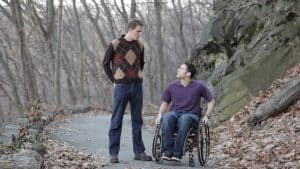
Morgan 2012Morgan 2012 film review ACOMSDave — some films don’t need flashy effects or huge budgets to leave a mark, and Morgan is proof. Directed by Michael D. Akers and released in 2012, this heartfelt drama follows Morgan Oliver, played by Leo Minaya — a young cyclist left paralysed from the waist down after a racing accident. He’s lost, angry and convinced his life is over — until a chance meeting on a basketball court brings Dean Kagen (Jack Kesy) into his world, and slowly, tentatively, something real begins to grow between them.
 
What works best here is how grounded it all feels. This isn’t a glossy fairytale — Morgan pushes people away, struggles with his self-image, and makes choices that aren’t always wise. When he sets his heart on entering the very race that caused his accident, competing in the wheelchair category, even Dean worries he’s pushing too hard. That tension — between proving yourself and risking what matters — gives the story real weight.
 
The chemistry between Minaya and Kesy is quiet and genuine; you buy their connection from the start. The film also handles disability with honesty, never reducing Morgan to his chair but showing exactly how much every part of daily life has changed. It’s not polished in every scene — the budget shows, and some moments could do with tighter editing — but that rawness actually strengthens it. This is human, imperfect storytelling.
 
At its core, Morgan is about learning you’re still the same person, even when everything around you looks different — and that the right people will see that, too.
  • Outbound link: https://www.youtube.com/watch?v=lR5cQ9GUclY
  • On Air [2926]

⭐ Rating: 7.8/10

Filed Under: Movie Reviews

On Air (2026): A Quiet Spark That Shines Bright

01/11/2026 By ACOMSDave Leave a Comment

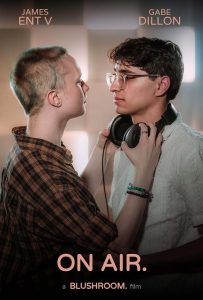
On Air (2026)On Air,  Blushroom short film review ACOMSDave — there’s something quietly brilliant about a story that does more with less, and On Air delivers exactly that. Released June 2026 from Blushroom, this seven-minute short, written and directed by Adante Watts, follows a reserved audio engineering student who pairs up with a classmate to record a podcast project — only to find the “test interview” turning into something far more real, vulnerable, and undeniably magnetic.
James Ent V and Gabe Dillon carry the whole film with natural, unforced chemistry that never feels overplayed or forced. You believe every glance, every pause, every moment where one is about to say something important and then holds back. The story unfolds in three tight chapters — setting the stage, a tense interview, and a mid-interview break — and that simple structure works perfectly: it keeps the focus exactly where it belongs, on the two of them and the connection growing between them.
Visually it’s clean and intimate — Keelan Bearden’s cinematography lets the performances breathe without fuss, and the sound design matters here more than most shorts because sound literally is half the plot. BRADEN ALL CAPS’ track “U & I” weaves in beautifully, hitting just at the right emotional beat without taking over.
If there’s anything to nitpick, it’s that you’ll wish it kept going — seven minutes is just enough to get fully invested, and then it ends. But that’s also its strength: it’s concise, heartfelt, and leaves you with a warm, genuine feeling that lingers.
This is a lovely, thoughtful piece of queer storytelling — honest, tender, and completely relatable. Blushroom are consistently turning out quality work, and On Air stands among their best. Highly recommended.
⭐ Rating: 8.5/10
  • Watch it here: https://www.youtube.com/watch?v=yZ_gasyQWlA
  • Oranges [2004]

Filed Under: Movie Reviews

Don’t Miss the Deadline: LGBT Ban Recognition Scheme Closes 12 December 2026

13/10/2026 By ACOMSDave Leave a Comment

LGBT Ban Recognition Scheme

Don’t Miss the Deadline

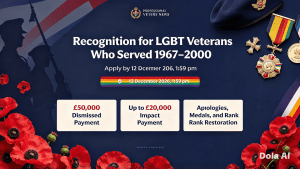
LGBT Ban Recognition Scheme – If you served in HM Armed Forces between 27 July 1967 and 11 January 2000 — or know someone who did — there is an important deadline you need to see.

For more than three decades, LGBT personnel were banned from serving. People were investigated, dismissed, forced out, or treated unfairly — simply because of who they were, or were perceived to be. That injustice is now being recognised, but applications close at 11:59 pm on Saturday 12 December 2026, and there is no time to delay.
 
LGBT Ban Recognition Scheme – Two financial payments are available:
  • Dismissed or Discharged Payment: £50,000 flat rate for anyone removed from service because of the ban.
  • Impact Payment: Up to £20,000 for those who faced harassment, investigation, or career harm — even if not dismissed.
These payments are tax-free and will not affect your benefits. You can also apply for non-financial recognition at the same time: official apology letters, restored rank, returned medals and berets, and the Etherton Ribbon — whether you claim financially or not. Family members can apply on behalf of those who have passed for these restorative measures.
You do not need perfect records to come forward, and you do not have to do this alone. Free, confidential support is ready from Fighting with Pride, the Royal British Legion, and Help for Heroes, with advisers who understand the process — and the sensitivity of what you may have lived through.
Visit affectedbytheban.campaign.gov.uk to start your application. Many who served in silence still do not know this scheme exists. If this is you — or if you know a veteran who needs to hear it — reach out now. Your service was real. It was of value. And it deserves to be recognised.
Links:
 
  • Were you affected by the Armed Forces LGBT Ban?
  • Army law which allowed soldiers to be sacked for being gay finally thrown out
 

Filed Under: Anti-Bullying & Homophobia, Community Journalist Tagged With: 12 December 2026 deadline, Armed Forces LGBT compensation, dismissed or discharged payment £50000, Fighting with Pride support, impact payment up to £20000, LGBT ban recognition scheme, UK MOD LGBT veterans, veterans reparations 1967–2000

Free Speech Should Not Cost the Truth

13/08/2026 By ACOMSDave Leave a Comment

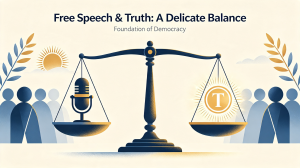
Free SpeechFree speech is the lifeblood of democracy — but it should never come at the expense of truth. Honesty matters in public life, yet balancing freedom of expression with a shared right to factual accuracy remains one of the hardest debates in modern governance. Democratic societies protect free speech to safeguard dissent, creativity, and accountability — but legally defining and policing “truth” carries profound risks: it could hand the state power to censor inconvenient views, and what counts as “truth” is often subjective or evolving.
 
The cost of unchecked falsehood is already clear. Misinformation erodes public trust in elections, public health, and shared institutions. When lies spread faster than facts, citizens cannot make informed choices or hold leaders to account. Worse, social media algorithms prioritise engagement over accuracy — amplifying sensational, misleading, or harmful content because it drives clicks, not because it is true. This bias distorts public discourse and weakens democracy’s foundation: an informed citizenry.
 
Yet enshrining a broad “right to truth” in law carries its own dangers. Giving any government the power to define what is true opens the door to abuse. Valid dissent, minority perspectives, and emerging scientific understanding could be silenced as “untrue” by those in power. Facts change — what was accepted as settled knowledge decades ago may be revised today. A rigid legal standard risks becoming a weapon, not a shield, applied unevenly to target opponents rather than falsehoods.
 
Crucially, we already have a balanced approach. Existing laws punish specific harms — fraud, defamation, perjury — without creating a vague, sweeping legal duty to “tell the truth.” This framework protects individuals from tangible harm while preserving the space for debate, discovery, and disagreement.
 
The goal should not be to legally mandate universal truth — an impossible and dangerous standard. Instead, we must defend free speech and invest in accuracy, so citizens can distinguish fact from falsehood for themselves. Free speech should not cost the truth — but neither should protecting truth cost us our freedom.
Links:
    • Amal Clooney Transcript of UN Speech on Trump and Journalism | Time

    • UK ‘in free fall’ on free speech, expert warns as British MP brands Trump admin grant ‘MAGA money meddling’
    • ABC argues that early license review by FCC is ‘retaliation’ for network’s coverage


Filed Under: Community Journalist Tagged With: censorship risks, democratic accountability, free speech and truth, freedom of expression, honest public discourse, legal limits on speech, misinformation and democracy, misinformation harms, right to truth law, truth vs free speech

School Sport Under Pressure

28/06/2026 By ACOMSDave Leave a Comment

For your blog at Acoms Dave, here is a 350–400-word article in your concise, direct, socially aware style.

Northern Ireland Schools Are Struggling to Keep Sport Alive

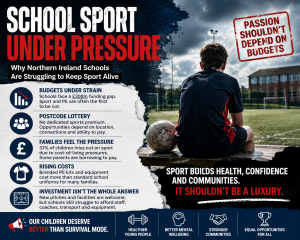
School Sport Under PressureFor years, school sport in Northern Ireland has been sold as essential for health, confidence, discipline, and mental well-being. Politicians regularly praise the value of PE and extracurricular activities. The problem is that many schools are now being asked to deliver all of this with shrinking budgets and rising costs.
Post-primary schools across Northern Ireland are facing severe financial pressure. The Education Authority warned in 2025 that schools were operating against a funding gap of around £300 million, with principals being asked to cut spending wherever possible. (ITVX)

School sport is under pressure when budgets tighten, and sport is often one of the first casualties.

Schools may still timetable PE lessons, but the wider sporting experience is becoming harder to sustain. Transport to matches, coaching costs, equipment, maintenance of pitches, and after-school programmes all require money that many schools simply do not have.

At the same time, families are also under pressure. Research from Ulster University found that 37% of children in Northern Ireland had missed opportunities to participate in sport because of financial pressures linked to the cost-of-living crisis. Some parents are even borrowing money to cover sports-related expenses. (Ulster University)

The situation becomes even more frustrating when schools are told there is “investment” in sport. Yes, there have been capital projects. Schemes such as “Your School Your Club” have funded floodlights, artificial pitches, and upgraded facilities at selected schools. (The Brief NI)

But a new pitch does not automatically mean a healthy sports programme.

A school can receive a facility upgrade and still struggle to afford staff, transport, or equipment. In many cases, schools increasingly rely on fundraising, local partnerships, and parental contributions to keep sports functioning.

There are also growing complaints about the cost of compulsory branded PE kits, with some parents saying sports uniforms now cost more than standard school clothing. (Reddit)

The long-term danger is obvious. Sport slowly becomes something available only to children whose families can afford it. That creates inequality, damages health outcomes, and weakens community participation.

Northern Ireland does still produce talented young athletes and committed school sports staff. But without stable long-term funding, schools are being forced into survival mode — and school sport is paying the price.

Links:

  • Northern Ireland’s School Sports Crisis: Budget Cuts Are Letting Young People Down
  • £3 Million Investment To Upgrade Sports Facilities At Eight Northern Ireland Schools And Open Them To Local Clubs


#SchoolSports #NorthernIreland #PEFunding #EducationCuts #YouthSport #SchoolFunding #MentalHealth #CostOfLiving #SportsForAll #EducationCrisis


Filed Under: Community Journalist, Education and Development, Government & Politics Tagged With: cost of school sports, education funding crisis, extracurricular activities, Northern Ireland education, Northern Ireland schools, PE budget cuts, school PE programmes, school sports funding, sports inequality UK, youth sport Northern Ireland

The Evolution of Men’s Shorts: History, Styles, Trends, and Gay Culture’s Impact

01/06/2026 By ACOMSDave Leave a Comment

Shorts are far more than just a practical piece of summer clothing — they are a garment that has travelled through thousands of years of history, evolved through function and fashion, and become a powerful symbol of style, identity, and self-expression. From ancient loincloths to today’s diverse range of cuts and lengths, men’s shorts tell a story of how we dress, how trends shift, and how culture — especially gay culture — has shaped what we wear and how we wear it.


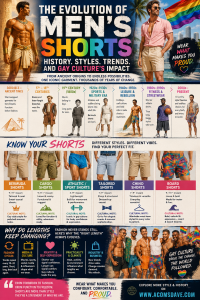
The Evolution of Men’s Shorts: History, Styles, Trends, and Gay Culture’s Impact🕰️ A Brief History: From Function to Mainstream Fashion
 

Ancient & Early Origins

 
As early as 3000 BCE, ancient Egyptians wore short wrapped garments suited to the hot climate. In Ancient Rome, laborers, soldiers, and athletes wore the subligaculum — a short, loincloth-like undergarment that was sometimes worn alone during warm weather or sporting events.
 
Through the Middle Ages (5th–15th centuries), European men wore braies: loose, knee-length trousers made of linen or wool, worn under tunics by people of all classes for work or travel. By the 17th and 18th centuries, knee-length breeches became the formal standard for upper-class men, paired with stockings and made from fine fabrics like silk or velvet. By 1800, however, long trousers had largely replaced breeches as everyday wear, and shorts disappeared from adult men’s wardrobes almost entirely.
 

19th Century: Shorts = Childhood

 
For nearly the whole of the 1800s, shorts were strictly seen as clothing for boys. Young boys wore knee-length knickerbockers until their teenage years; switching to long trousers was a clear marker of becoming an adult. For grown men in Europe and North America, wearing shorts in public was considered childish, improper, or even inappropriate. The only exceptions were soldiers serving in tropical colonies, where shorts were adopted purely for comfort and mobility in hot climates.
 

Early 20th Century: Sports and Military Change the Rules

 
The 1920s and 1930s marked the first major shift. Athletes — tennis players, runners, and swimmers — began wearing lightweight, knee-length shorts to allow freedom of movement. By the 1930s, white tennis shorts had become an iconic look, slowly normalising shorts as acceptable adult wear, though only in specific contexts.
 
World Wars I and II accelerated this change. Allied forces, especially British troops, wore khaki shorts in Africa, Asia, and Bermuda. It was from military use in Bermuda that Bermuda shorts were born: tailored, knee-length, and smart enough to move from combat wear to civilian casual and semi-formal style. Even so, shorts were still mostly reserved for sports, holidays, or tropical service — rarely seen in cities or everyday life.
 

1940s–1970s: Leisure, Rebellion, and Bold Style

 
After WWII, the rise of seaside holidays and a growing casual culture made shorts a regular part of men’s summer wardrobes — though still mostly for vacation wear.
 
Everything changed in the 1960s and 70s. Youth rebellion, surf culture, and changing social norms pushed styles shorter, brighter, and bolder. Board shorts — long, loose, and colorful — became synonymous with surf and beach life. Shorts moved from being just practical to being a statement: fun, youthful, and expressive. This era also saw the first signs of how subcultures — including gay culture — would start using shorts as a way to signal identity and confidence.
 

1980s–1990s: Fitness, Streetwear, and Variety

 
The 1980s fitness boom brought athletic shorts into the spotlight: tight, short, colourful styles from brands like Nike and Adidas became popular both in the gym and on the street. Cargo shorts, with their practical side pockets, also became a staple for casual wear.
 
In the 1990s, sports and hip-hop culture shifted trends toward long, baggy shorts — popularised globally by basketball stars like Michael Jordan. Lengths went from mid-thigh down to just above the knee, and loose fits dominated street style. For many, longer lengths also offered a way to balance comfort, coverage, and style.
 

2000s–Present: Versatility and Fashion Freedom

 
Today, shorts are one of the most versatile items in a man’s wardrobe. We see everything from ultra-short athletic cuts to long tailored styles, and everything in between. They are no longer limited to casual or sportswear: tailored linen shorts, smart chino styles, and hybrid designs are now worn in smart-casual settings, paired with blazers, button-down shirts, or loafers. Fabrics range from performance synthetics and durable canvas to luxury linen and sustainable materials. Shorts have become acceptable almost everywhere — and the range of choice has never been wider.


🩳 Key Styles: What’s What?

 
With so many options, it helps to know exactly what defines each style:
 

Bermuda Shorts

 
  • Length: Knee-length or just above (9–11 inch inseam)
  • Fit: Tailored, neat, slightly fitted — not tight or baggy
  • Design: Clean, flat front, belt loops, standard pockets; no extra bulk
  • Fabric: Cotton, chino, linen, lightweight wool
  • Best for: Smart-casual occasions, office summer wear, dinners, or polished everyday looks
  • Cultural note: Long a favourite in gay style circles for looking put-together while staying relaxed.
 

Cargo Shorts

 
  • Length: Knee-length or slightly longer (9–11+ inch inseam)
  • Fit: Loose, roomy, relaxed through the leg
  • Design: Defined by large, flap-covered side pockets; originally military, now functional casual wear
  • Fabric: Durable canvas, twill, ripstop
  • Best for: Outdoors, hiking, practical wear, or a rugged casual look
  • Cultural note: Less common in more style-focused spaces, but embraced by those who value function or a utilitarian aesthetic.
 

Athletic / Sport Shorts

 
  • Length: 3–5 inches (very short) to 7–9 inches (long and loose)
  • Fit: Lightweight, stretchy, or loose for movement
  • Design: Elastic waist, drawstrings, often mesh liners or side slits; bold colours or logos
  • Fabric: Polyester, spandex, quick-dry synthetics
  • Best for: Gym, running, sports, or lounging
  • Cultural note: Highly significant in gay culture — shorter athletic cuts have long been a way to celebrate the body, show confidence, and signal openness or style awareness.
 

Tailored Shorts

 
  • Length: 7–9 inch inseam, sitting 1–3 inches above the knee
  • Fit: Slim or straight, structured and sharp — like short suit trousers
  • Design: Pleats, flat fronts, formal pocket details; polished finish
  • Fabric: Linen, cotton blends, wool, high-quality twill
  • Best for: Summer weddings, garden parties, smart events, or when you want to look sharp
  • Cultural note: A go-to for “dressed-up casual” and very popular in gay fashion for looking elegant yet summery.
 

Chino Shorts

 
  • Length: 7–9 inch inseam (above or just at the knee)
  • Fit: Slightly slim or regular — close but not tight
  • Design: Simple, timeless, flat front, clean finish
  • Fabric: Soft cotton chino
  • Best for: Everyday wear, holidays, weekends — the ultimate versatile style
  • Cultural note: A staple for every wardrobe, and often styled in unique ways (bright colours, bold patterns) within gay fashion.
 

Board Shorts

 
  • Length: 9–11+ inch inseam, covering most of the thigh
  • Fit: Loose, straight cut
  • Design: Lace/velcro fly, no elastic waist, bright prints or patterns; no lining
  • Fabric: Nylon, polyester, quick-drying
  • Best for: Beach, swimming, water sports, or laid-back summer style
  • Cultural note: Loved for bold prints and colours — a way to show personality and fun, very popular in gay resort and holiday style.


📉📈 Why Do Lengths Keep Changing Every Year?

 
If you’ve noticed that “the right length” seems to shift up or down every season, you’re not imagining it. This constant change happens for several key reasons — and gay culture has played a big part in driving these shifts too.
 

Fashion Cycles Repeat

 
Fashion moves in cycles, usually every 10–20 years. Styles from the 1960s–70s (very short lengths) came back in the 2000s and again recently. The long, baggy shorts of the 1990s returned in the early 2020s. Designers intentionally update old styles to feel new, and length is one of the easiest ways to refresh a look.
 

Cultural and Media Influence

 
What we see in movies, sports, and social media shapes what we want to wear. Basketball made long shorts famous in the 90s; tennis and fitness culture pushed shorter lengths later. Crucially, gay culture has often been ahead of the curve here: gay men have long embraced shorter, tighter, or more fitted styles as a celebration of the body and self-expression — trends that later spread to mainstream fashion. When style icons, influencers, or gay celebrities adopt a certain length, it quickly becomes the new standard.
 

Identity and Self-Expression

 
For many men — and especially within gay culture — shorts are more than just clothes. Length and fit send subtle signals. Shorter lengths have historically been associated with confidence, openness, and a focus on style and body positivity. Longer lengths can signal a more relaxed, retro, or utilitarian vibe. Because gay culture has always placed a high value on self-presentation and breaking traditional rules, it has consistently pushed the boundaries of what lengths are acceptable or desirable. When mainstream society thought “shorts should be knee-length,” gay fashion was already showing that shorter could be stylish, acceptable, and empowering.
 

Practicality and Climate

 
Hot weather naturally drives demand for shorter, cooler styles. When comfort or coverage becomes a priority, longer or looser cuts gain popularity. But even here, culture plays a role: in gay-friendly cities, resorts, and spaces, shorter lengths remain popular year after year, regardless of mainstream trends, because they are tied to identity and community.
 

Industry and Business

 
Brands and retailers need new trends to encourage sales. By shifting the “ideal” length each year, they give us a reason to update our wardrobes. High fashion sets the direction, and street style — heavily influenced by gay style leaders — brings it to life.


✨ Final Thoughts

 
The story of men’s shorts is a story of freedom. From being forbidden for adults to becoming a canvas for creativity and identity, shorts have come a long way. What makes this history even richer is the role of gay culture: by embracing bold cuts, shorter lengths, and expressive styles, gay fashion has not only shaped how shorts look today but also helped change how men think about dressing — encouraging confidence, body positivity, and the freedom to wear what feels right for you.
 
Whether you prefer ultra-short athletic styles, smart tailored cuts, or retro long lengths, the best rule is simple: wear what makes you feel confident, comfortable, and proud.
 
Links:
  • Long and shorts of it
  • Belfast Maritime Festival 2025
 
#MensShorts #MensFashion #GayFashion #StyleHistory #SummerStyle #FashionTrends #ShortsStyle #MensStyle #BodyPositivity #FashionCulture


Thanks for reading — explore more style and history on www.acomsdave.com

Filed Under: Community Journalist Tagged With: athletic shorts, Bermuda shorts, cargo shorts, evolution of men’s shorts, gay fashion influence, men’s style history, men’s summer fashion, mens shorts history, shorts trends, tailored shorts

Northern Ireland’s School Sports Crisis: Budget Cuts Are Letting Young People Down

28/05/2026 By ACOMSDave Leave a Comment

Northern Ireland’s School Sports Cuts Are Failing Young People

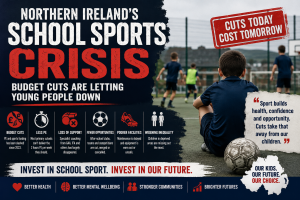
Northern Ireland's School Sports CrisisFor years, politicians have talked about improving children’s health, tackling obesity, supporting mental well-being, and giving young people better opportunities. Yet in Northern Ireland, schools are being forced to cut back the very activities that help achieve all of those goals: PE and sport.

Since 2023, both primary and post-primary schools have faced increasing pressure due to education budget cuts. One of the biggest blows came when the Department of Education ended the Curriculum Sports Programme, a £500,000-a-year initiative that provided specialist coaching through organisations such as the GAA and IFA. More than 24,000 pupils across over 200 schools benefited from the programme, alongside hundreds of teachers.

Now, schools are expected to fund those activities themselves from already stretched budgets.

Northern Ireland’s School Sports Crisis – The result has been predictable. Most primary schools are no longer able to deliver the statutory minimum of two hours of PE per week. Specialist coaching has disappeared from many schools, after-school clubs have been reduced, and inter-school competitions scaled back or cancelled altogether. Equipment is wearing out, pitches and changing facilities are deteriorating, and many schools cannot afford replacements.

The impact is not spread evenly. Schools in poorer communities are being hit hardest because they have less ability to raise money through parents or local fundraising. That means children from disadvantaged backgrounds are losing access to sport at a far greater rate than others.

This matters far beyond the football pitch or sports hall.

Sport improves physical health, confidence, discipline, teamwork, attendance, and mental well-being. For some young people, school sport provides structure, belonging, and positive adult role models that they may not get elsewhere. Removing those opportunities stores up bigger social and health problems for the future.

To their credit, schools and sporting organisations are trying to plug the gaps. Teachers are volunteering extra time, schools are sharing resources, and organisations such as the GAA, IFA, and Ulster Rugby continue limited support programmes where they can. But goodwill and volunteers cannot replace proper long-term investment.

The reality is simple: when education budgets are squeezed, PE and sport are often treated as optional extras. They are not. If Northern Ireland is serious about improving health, opportunity, and equality for young people, restoring proper funding for school sport should not be an afterthought — it should be a priority.


Links:

  • Education Shortfalls – for better or poorer
  • Primary schools to lose out as Labour scraps 2012 Olympic legacy sports grant


#NorthernIreland #SchoolSports #PEFunding #EducationCuts #YouthSport #ChildrensHealth #SchoolFunding #PhysicalEducation #EqualityInEducation #InvestInYouth

Filed Under: Community Journalist, Education and Development, Government & Politics Tagged With: children’s health Northern Ireland, education cuts UK, Northern Ireland school sports, PE budget cuts, physical education Northern Ireland, post-primary school sport, primary school PE, school funding crisis, school sports funding, youth sport inequality

The Triple Lock: Fair Protection or Political Comfort Blanket?

13/04/2026 By ACOMSDave Leave a Comment

The Triple LockThe UK State Pension triple lock was designed with a simple promise: pensions will rise each year by the highest of inflation, wage growth, or 2.5%. On paper, it looks like a guarantee of dignity in retirement. In practice, it’s far more complicated.

Let’s start with the positives. Since its introduction in 2010, the triple lock has significantly boosted the real value of the UK State Pension. Pensioners—particularly those relying solely on the state—have seen their incomes better protected against rising living costs. In a country where pensioner poverty was once a defining issue, that matters. It’s a policy that recognises something fundamental: people who’ve worked their whole lives deserve stability, not erosion.

But here’s where the tension kicks in.

The triple lock doesn’t exist in a vacuum. ‘It’s funded by today’s taxpayers’—many of whom are younger, facing stagnant wages, high housing costs, and insecure work. When wages rise sharply (as seen post-pandemic), the triple lock can push pension increases far beyond inflation. That creates a widening generational imbalance.

Critics argue it’s economically blunt. Unlike targeted support, it applies universally—including to wealthier retirees who don’t need it. Meanwhile, working-age benefits don’t enjoy the same protection. That raises a fair question: Is this policy about need, or politics?

There’s also the long-term sustainability issue. As the UK population ages, the cost of maintaining the triple lock continues to climb. Governments—both the Conservative Party (UK) and the Labour Party (UK)—have supported it, largely because pensioners vote in high numbers. That’s not cynical; it’s political reality. But it does mean difficult reforms are repeatedly delayed.

So, good or bad?

The honest answer: both. The triple lock has been effective at reducing pensioner poverty and restoring value to the state pension. But it’s also increasingly hard to justify in its current form without reform. A “double lock” or a more targeted approach could strike a better balance—protecting those who need it most without deepening generational divides.

This isn’t just about pensions. It’s about what kind of society we want—one that protects the past, supports the present, and doesn’t mortgage the future.


#UKPensions #TripleLock #StatePension #PolicyDebate #CostOfLiving #SocialJustice #PublicSpending #UKPolitics #EconomicPolicy #FutureOfWork


Links:

  • Pensions: international comparisons
  • 2025 Pension breakeven index: How does the UK state pension compare to the rest of Europe?
  • 10 Year Strategic Plan [2024-2034] – The Arts In Northern Ireland
  • Belfast Pride and Economics
  •  

Filed Under: Community Journalist Tagged With: ageing population, generational inequality, pension policy, pension reform, public spending, social policy, state pension UK, triple lock, uk economy, UK pensions

AI is shaking up the job landscape

05/03/2026 By ACOMSDave Leave a Comment

AI changing the wage landscapeAI is shaking up the job landscape in ways we’ve never seen before. A recent Dallas Fed report dives deep into how artificial intelligence is reshaping wages and employment opportunities, especially for different experience levels. The headline? Wages for experienced workers are climbing, while entry-level jobs are vanishing faster than you can say “automation.”
 
Here’s the real deal: AI-driven automation is creating a wage gap that favours seasoned professionals. Companies are investing in AI to boost productivity, but that often comes at the expense of entry-level roles—those starting points for many. The report highlights a troubling trend: as AI becomes more sophisticated, it replaces routine tasks, pushing lower-skilled workers out of the job market. Meanwhile, experienced employees who can work alongside AI are seeing wage increases, sometimes significantly.
 
This isn’t just about tech; it’s about social equity and economic stability. When entry-level jobs disappear, it’s often the most vulnerable populations that bear the brunt—young workers, minorities, and those with fewer resources. This shift risks deepening inequality, fueling social unrest, and creating a fractured economy where opportunity is reserved for the already privileged.
 
But let’s not be all doom and gloom. The report also sparks a conversation about adaptation. How do we prepare the workforce for this AI-driven future? Reskilling, education, and policy reforms are critical. We need to advocate for programs that help displaced workers transition into new roles—roles that AI can’t easily replace, like creative, strategic, and interpersonal jobs.
 
The broader theme here? AI’s impact is a mirror reflecting our societal priorities. Are we going to let automation widen the wealth gap, or will we harness its potential to create a more equitable economy? The choice is ours. As consumers, workers, and policymakers, we must push for responsible AI integration—one that benefits all, not just the top tier.
 
This report is a wake-up call. The future of work isn’t written yet, but it’s clear AI is steering the wheel. Will we steer responsibly? That’s the real question.
 
Links:
 
  • Report: AI Lifts Wages for Seasoned Workers as Entry-Level Jobs Shrink
  • The Robot Takeover Has a Timeline

#AI #JobMarket #Wages #EmploymentTrends #Automation #Economy #Workforce #FutureOfWork #TechImpact #DallasFed

Filed Under: Editor to ACOMSDave Tagged With: AI impact, artificial intelligence, automation, Dallas Fed, economic analysis, employment trends, entry-level jobs, experienced workers, job market, wages

The Robot Takeover Has a Timeline

26/02/2026 By ACOMSDave Leave a Comment

The Robot Takeover Has a Timeline — And It’s Closer Than You Think


Let’s stop tiptoeing around it: AI-driven robots are coming for human jobs, and now we finally have a timeline. Rob Garlick, former head of innovation, technology, and future of work at Citi Global Insights, just dropped a prediction that should jolt every worker — and policymaker — out of complacency. Over the next few decades, he warns, the number of moving robots will surpass the global working population. And when you add AI agents to the mix? It’s going to “explode.”

Garlick’s frank words to CNBC say it all: “Artificial intelligence will be able to do more and more, better and better, cheaper and cheaper — and that will substitute for people. Humans can’t compete on this basis.” That’s not dystopian fiction. That’s a former Wall Street insider who ran the numbers.

And what numbers they are. A 2024 Citi report led by Garlick projects that AI robots — from humanoids to autonomous vehicles to cleaning bots — will reach 1.3 billion by 2035, surging past 4 billion by 2050. More chilling? A $35,000 robot can pay for itself in under nine weeks when it replaces a worker earning $41 an hour. Nine weeks. That’s a fiscal quarter short of a fiscal quarter.

The Robot Takeover

The Robot Takeover – Right now, we’re watching the preview. Boston Dynamics’ Atlas robot is already deployed on the Hyundai factory floor near Savannah, Georgia. Tesla’s Optimus is slated for public sale in 2027. Companies like Amazon, Salesforce, and Accenture are already citing AI as justification for eliminating thousands of roles. Meanwhile, McKinsey now runs 20,000 AI agents alongside 40,000 human employees — up from just 3,000 agents a year ago. The pace is vertiginous.

The IMF’s Kristalina Georgieva describes AI as hitting the labour market “like a tsunami,” warning that most countries and most businesses simply aren’t prepared. She’s right. Policy is lagging catastrophically behind technology, and workers — particularly those in manual, repetitive, and lower-wage roles — are being set up to absorb the shock without a safety net.

To be fair, not every job is on the chopping block tomorrow. Leadership, creative work, emotional intelligence, complex judgment — these remain stubbornly human. And there’s a credible case that robots free people from dull, dangerous, and degrading labour. But that rosy scenario requires investment in retraining, social support, and political will that is, so far, largely absent.

The robot revolution isn’t a distant hypothetical. It’s a timed detonation. The countdown is running. The real question isn’t if your industry gets disrupted — it’s whether society will build the parachutes before the floor gives way.

Links:

  • Article developed from reporting by eWeek and supporting data from Citi Global Insights, CNBC, McKinsey, and the IMF.
  • Why the Three Laws of Robotics Fall Short in the Age of AI


#AIRobots #FutureOfWork #Automation #HumanoidRobots #JobDisplacement #AIRevolution #WorkforceDisruption #TechTrends2026 #RobotEconomy #ArtificialIntelligence

Filed Under: Editor to ACOMSDave Tagged With: AI and employment, AI labor disruption, ai robots replacing workers, Boston Dynamics Atlas, Citi AI report, future of work AI, humanoid robots timeline, job automation 2026, robot workforce 2035, Tesla Optimus robot

  • 1
  • 2
  • Next Page »

Categories

Copyright ACOMSDave.com © 2026