
ACOMSDave

Community Journalist

  • Home
  • Community Journalist
  • Events
  • Media Page and Press Kit
    • Projects and Work
  • Resources & Documents
    • LGBTQ+ Support Groups and Documents
  • NIGRA
  • Archives
  • Contact

Gay Spies

12/02/2026 By ACOMSDave Leave a Comment

Secrets Out: When Queerness Was a National Security Threat

For decades, Western intelligence agencies treated queerness as a security risk, a stain on one’s character. From Cold War betrayals to rainbow flags over Langley and Vauxhall Cross, the story of gay spies is one of secrecy, shame—and a reckoning decades in the making.Gay Spies

The Cambridge Ring and the Lavender Scare

The infamous Cambridge Ring, including figures like Guy Burgess and Anthony Blunt, exploited their privileged backgrounds to infiltrate British intelligence. Their homosexuality, then a criminal offence, was seen as a vulnerability. This fueled the “Lavender Scare,” a mass purge of LGBTQ+ civil servants based on the fear of blackmail.

Gay SpiesAlan Turing, the brilliant mathematician who cracked the Enigma code, was prosecuted for being gay and stripped of his security clearance. Similarly, Jeremy Wolfenden, a journalist and MI6 asset, was blackmailed by the KGB because of his sexuality, leading to a tragic end. These cases highlight the systemic discrimination and paranoia that plagued intelligence agencies.

Changing Tides and Apologies

It wasn’t until the 1990s that attitudes began to shift. President Clinton’s executive order in 1995 ended the ban on security clearances based solely on sexual orientation. GCHQ publicly apologised in 2016 for barring gay recruits, acknowledging the nation’s loss. MI5 and MI6 followed suit, actively recruiting openly gay candidates and celebrating diversity.

The Rest of the World

While the Soviet Union ruthlessly exploited homosexuality as an espionage tool, countries like France and Israel had different experiences. France decriminalised homosexual acts early on, and Israel has long been liberal by Middle Eastern standards. However, the past is not forgotten, and declassified archives continue to expose the queer lives entangled in the intelligence game.

New Realities and Open Questions

Today, intelligence agencies vie to show inclusiveness, with the CIA posting LGBT recruitment messages and British intelligence celebrating LGBT History Month. While the door to the closet has been forced open, questions remain about the careers wrecked by the gay ban. The message is clear: love of country, not the gender of one’s partner, defines a good spy.


Links:
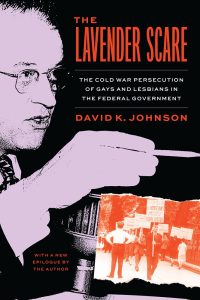
  • Gay 45 – Gay Spies in Intelligence Services
  • The Lavender Scare Revisited

Filed Under: Anti-Bullying & Homophobia, Community Journalist Tagged With: Alan Turing, CIA, Cold War espionage, gay spies, homophobia, Lavender Scare, LGBT rights, LGBTQ+ History, MI6, queer intelligence officers

The Lavender Scare Revisited

19/06/2025 By ACOMSDave Leave a Comment

Lavender Scare


The Lavender Scare serves as a powerful reminder of the dangers of state-sanctioned discrimination against LGBTQI+ individuals and the profound impact it can have on lives and civil rights. While the UK has made notable progress since the deeply ingrained stigma of the mid-20th century, ongoing advocacy and awareness remain vital to achieving true equality and acceptance. Understanding this historical context is essential for recognising how far we’ve come and the work still ahead to fully support LGBTQI+ rights and inclusion.

The “Lavender Scare” describes a dark chapter in mid-20th-century history, mainly from the late 1940s through the 1960s, when gay men and lesbians working in the US federal government faced widespread dismissal and forced resignation because of their sexuality. This period of repression was closely linked to anti-communist fears and congressional investigations, which falsely painted LGBTQ+ individuals as security threats and potential communist sympathisers.


Key lessons from the Lavender Scare include:

  • Perception of vulnerability:   Homosexuality was heavily stigmatised, with the false belief that LGBTQ+ individuals were susceptible to blackmail, risking national security.
  • Anti-communist parallels:   This era coincided with the Red Scare and McCarthyism, where suspicion of communist ties led to widespread suspicion and persecution.
  • Dismissals and forced resignations:   Many federal employees were fired or compelled to leave their jobs solely based on their sexual orientation.
  • Absence of legal protections:   There were no laws safeguarding against discrimination based on sexual orientation during this time.
  • Social isolation and stigma:   Many affected individuals faced profound social rejection and lived in fear and silence.
  • Impact on civil rights:   The Lavender Scare fueled the broader fight for LGBTQ+ civil rights, highlighting the need for equality.
  • Legal progress:   Over time, legal battles and court rulings began to challenge and curb federal discrimination, laying the groundwork for future protections.

Reflecting on this history underscores both the resilience of the LGBTQI+ community and the ongoing necessity of activism and awareness to protect and advance their rights today.


Links:

  • Purging the Government: How the Lavender Scare Targeted LGBTQ+ Federal Employees
  • You’ve Probably Heard of the Red Scare, but the Lesser-Known, Anti-Gay ‘Lavender Scare’ Is Rarely Taught in Schools
  • The Lavender Scare from an Islamic Perspective: Is Islam to Blame?
  • The Seventies – A Breakthrough Decade for LGBT Rights
  • Cold War Timeline
  • YouTube – Time Magazine – The Lavender Scare – History You Didn’t Learn
  • LGBTQ+ Library Survey
  • Lavender 2.0
  • Violet delights: A queer history of purple
  • Queer Codes: Gay Men in the Civil Service


Filed Under: Editor to ACOMSDave Tagged With: anti-communist repression, civil rights movement, discrimination, government persecution, history of LGBTQ+, Lavender Scare, legal progress in LGBTQ+ rights, LGBTQ+ rights, LGBTQI+ history, US civil rights

Categories

Copyright ACOMSDave.com © 2026