
Impact of Book Bans on the LGBTQI+ Community in the UK
 Overview
In the UK, the issue of censorship and banned books targeting LGBTQI+ content is increasingly making headlines. While outright bans are less widespread than in some countries, recent developments highlight a concerning trend that affects young people, educators, and the broader community. These restrictions threaten access to vital stories and resources that support LGBTQI+ identities and well-being[1][2][3].
Key Effects
1. Mental Health and Wellbeing
– Increased Isolation: When LGBTQI+ books are removed from school libraries and classrooms, it sends a damaging message to young people that their identities are unwelcome or invalid. This can lead to feelings of loneliness and invisibility[1][2][3].
– Fear and Self-Censorship: Librarians and teachers often report feeling pressured or intimidated into removing LGBTQI+ literature, which results in self-censorship and limits access for students seeking representation[1][2].
– Loss of Support: Many young people rely on inclusive literature to see themselves reflected and to find reassurance. Banning these resources can harm their mental health, self-esteem, and sense of belonging[1][3].
2. Erasure of Identity and Representation
– Reduced Visibility: Censorship efforts diminish the presence of LGBTQI+ stories, history, and voices within educational environments, making it harder for young people to explore and understand their identities[1][2][3].
– Barriers to Understanding: Without access to diverse narratives, both LGBTQI+ youth and their peers miss opportunities to learn about different experiences, fostering ignorance and prejudice[1][2].
3. Societal and Educational Consequences
– Cultivating Intolerance: Targeted bans reinforce harmful stereotypes and can foster a climate of hostility, bullying, and intolerance within schools and local communities[1][2][3].
– Risks for Librarians and Educators: Those who resist censorship often face professional repercussions, including threats, job loss, or disciplinary action, discouraging the inclusion of LGBTQI+ materials[1][2].
– Chilling Effect: The absence of clear national guidance creates a climate of uncertainty, leading many librarians to avoid purchasing or displaying LGBTQI+ books altogether to prevent controversy[1][2][3].
Data and Trends
| Statistic/Trend | Source |
|———————————————————————————|————-|
| Over half (around 53%) of UK school librarians surveyed report being asked to remove books or being given a list of banned books, with many titles related to LGBTQI+ themes. | [1][2][3] |
| Requests for removal are primarily initiated by individual parents or community members, rather than official government directives, but they have a significant impact. | [1][2][3] |
| Commonly targeted titles include *This Book Is Gay* by Juno Dawson, *Julián is a Mermaid* by Jessica Love, and *ABC Pride* by Louie Stowell et al. | [2][3][4] |
| Many librarians have been instructed to remove all LGBTQI+ books after a single complaint; some have faced job insecurity for refusing. | [1][2][3] |
| There is no comprehensive UK database tracking the full scope of bans, but anecdotal evidence suggests the trend is growing. | [1][2][5] |
Voices from the Community
– Stonewall, the UK’s leading LGBTQI+ rights organisation, has called the increasing censorship “deeply troubling,” emphasising that access to inclusive resources is essential for young people’s well-being and self-acceptance[3].
– Many librarians and teachers express feeling unsupported and vulnerable. Some have resorted to discreet or off-the-record loans to ensure students can access banned books, despite risks[1][2][3].
Conclusion
The rising tide of book bans targeting LGBTQI+ content in the UK is having serious repercussions for young people and the wider community. These measures foster exclusion, erasure, and fear, undermining the vital educational and emotional support that diverse literature provides. Without clear guidance and backing from national authorities, many educators feel compelled to self-censor, further limiting access to inclusive stories. Advocacy organisations like Stonewall and professional bodies must continue to push for policies that safeguard the right to inclusive education and ensure every young person can see themselves reflected positively in the books they read[1][2][3].
—
References:
1. https://www.independent.co.uk/news/uk/home-news/lgbt-books-removed-uk-libraries-b2732791.html
2. https://www.indexoncensorship.org/2024/08/banned-school-librarians-shushed-over-lgbt-books/
3. https://www.independent.co.uk/news/uk/home-news/lgbt-books-ban-uk-schools-library-b2596374.html
4. https://www.thebookseller.com/news/school-libraries-censored-as-survey-reveals-28-librarians-asked-to-remove-books-from-shelves
5. https://www.lovereading4kids.co.uk/school-blog/censorship-more-than-half-of-school-librarians-asked-to-remove-books-from-their-shelves-6430
Links:
- How Britain’s 1980s Anti-Gay Laws Impacted a Generation of Young LGBTQ Readers
- A new wave of books celebrating queer spaces
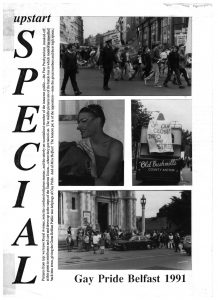
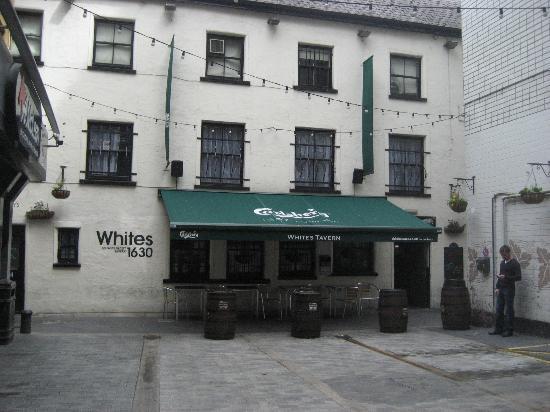
Queer spaces are something which our community in Northern Ireland is loosing memory about. When I first came out on the scene, there were at least 42 different event nights encompassing at least 20 different venues. Today, there are many fewer, and with that comes less choice. So far, I have written one in-depth article about ‘The Carpenter Club“, I am now about to start one on Delaney’s, so if you have any thoughts, news, titbits, pics that would be of use, please let me have them.

 Like all people, Magnus Hirschfeld is a man who adjusted to his situation. He was a researcher, a scientist, and a supporter of sexual minorities. He founded the Scientific-Minorities Committed and World League of Sexual Reform. He purchased and then set up the Institute of Sexual Research on 6th July 1919, in the liberal atmosphere of the newly founded Weimar Republic. The institute came to house his immense archives and library on sexuality and provided educational services and medical consultations; it also housed the Museum of Sex. This all ended in 1932 when Chancellor Franz von Papen carried out a coup that exposed the Braun government in Prussia. Papen was a conservative Catholic with a long vocal history of criticism of homosexuality. He ordered the Prussian police to start enforcing Paragraph 175 (Does anyone see similarities with Section 28 in the UK much later in history from Margaret Thatcher?). In January 1933, Paul von Hindenburg appointed Adolf Hitler as chancellor of Germany, and less than four months later after the Nazis took power, and the Hirschfield’s Institute was sacked, this was followed by another ‘attack’ on May 6th, and the institute was finally forced to close.

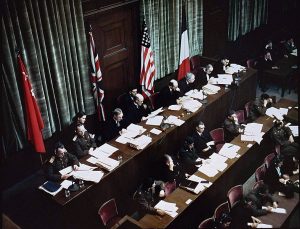 Yesterday I watched the Judgement of the Nuremberg Trials again. I was set on this because I have just started the book ‘
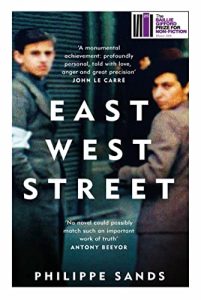 In this book, Phillipe begins a journey on the trail of his family’s secret history, which through many convoluted routes leads him to the origins of international law at the Nuremberg trial.





 In the Court proceedings against Lady Chatterley’s Lover in 1960, the jury was invited by the prosecution to consider whether “It is a book that you wish your wife or servants to read?”
 It is all very well for them to think along these lines, but the fact remains that the advocacy of repressive measures aimed at depriving people of the right to the reading of material of their choice could all too easily result in the targeting of the ‘gay’ community as purveyors of “material likely to deprave and corrupt”. It is not long since HM Customs used their draconian powers to seize material from gay book shops (
 discussion of them. the journal exudes a ‘Glad to be Gay’ tone which is to be applauded; equally necessary is a facility for self-criticism and a questioning approach to many aspects of current gay lifestyles.



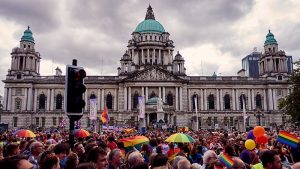
 On July 1st, 2021 the PinkNews, in partnership with Citi and the Rainbow Project, under the title “Virtual Belfast Reception” organised a panel discussion on LGBT+ equality in Northern Ireland. The Virtual Belfast Reception online meeting involved Doug Beattie, UUP leader, Mary Lou McDonald, president of Sinn Fein, Colm Eastwood, SDLP leader, Naomi Long, Alliance leader and justice minister, and Mal O’Hara, a Green Party councillor in Belfast and the event was moderated by John O’Doherty, director of the Rainbow Project.